Fugas de agua en AlmeríaAlmería, Almería
Water tanks & filtration
Rainwater, boreholes, deliveries and greywater: where an off-grid home gets its water, how much you really need, and how to make it safe to drink.
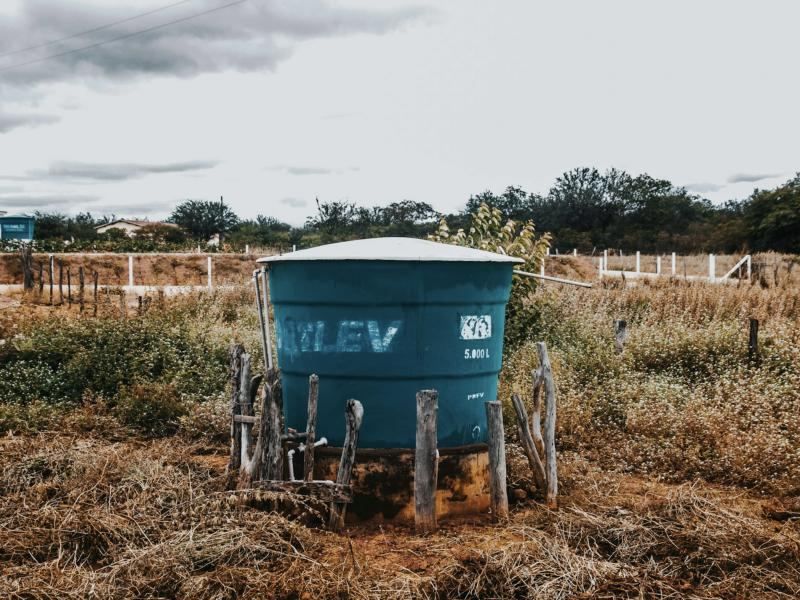
Inland Alicante water is hard and often high in nitrates from farming. A typical drinking-water setup works in three stages:
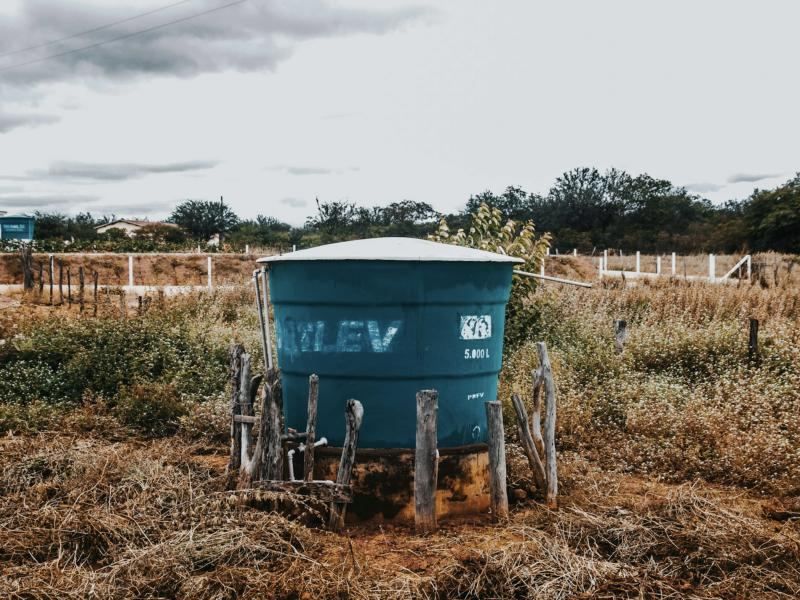
Who must approve a borehole in Spain, the 7,000 m³ rule, the paperwork, what drilling costs and how to legalise an old well.
Read the guide →
How water deliveries work for an off-grid home in Spain, what they cost, how big a tank you need and how to…

Planning to go off-grid in Spain comes with its fair share of challenges. Power? Manageable with enough solar panels. Food? Grow it,…

Thinking about going off-grid? Cool. You’ll need power, of course, but water? Yes, you’ll want to figure that out unless you’re into…

Let me tell you something about living off-grid in this part of Spain, it turns you into a borderline water hoarder. Not…

I’ve been putting this off because the water has “worked fine.” Fine until the kettle’s on, the fridge decides to cycle, the…
Water is the system I’d check first on any off-grid property, because it’s the one you can’t buy your way out of quickly. Panels arrive in a week; a borehole permit can take months, and a dry well can’t be fixed at all. This page is how I’d think about it.
A household uses roughly 150 litres a day for showers, cooking and laundry, before the garden. That’s over 50,000 litres a year. A 100 m² roof in a dry part of Spain realistically gives about a third of that. My rainwater guide shows the sums.
Most off-grid homes combine two or three:
Our own story went in that order. The old well on our finca was dry, so we started with a rainwater tank, greywater and deliveries, then drilled a borehole in summer 2025 with a 1.1 kW pump.
Borehole water inland is often hard and high in nitrates, and tank water can pick up bacteria. Test before you drink, then treat for what the test finds: reverse osmosis is the usual choice, with UV where bacteria are a risk. My filtration guide goes through the options.
Pumps are among the biggest loads in an off-grid house, and their start-up surge can trip an inverter. A soft starter fixed that for us: here’s how. Run pumps in the middle of the day when the sun is doing the work.
Rules and rainfall vary enormously. In Murcia and much of Alicante, water is the constraint that decides whether a finca works; in Galicia it’s the easy part. Each region also has its own river basin authority, which is who you deal with for a borehole. The region guides name them: Andalucía, Valencian Community, Murcia, Castilla-La Mancha, Catalonia, Galicia and Extremadura.
The directory lists borehole drillers and water tank and filtration firms by province.
Usually not. A 100 m² roof realistically gives about a third of what a household uses. Plan on storage plus a borehole or deliveries.
Yes. Well water in inland Alicante is often hard and high in nitrates, so reverse osmosis is the usual choice, with UV if there is any risk of bacteria.
Yes, with biodegradable, plant-safe soaps and a simple gravel and sand filter. The wrong detergent will kill your plants.