
Thinking about going off-grid? Cool. You’ll need power, of course—but water? Yes, you’ll want to figure that out unless you’re into drinking stuff that tastes like hose water.
Most folks get worked up about solar panels and batteries. Water? They’ll “figure it out.” Until they’re sipping something that smells like swamp. Or worse.
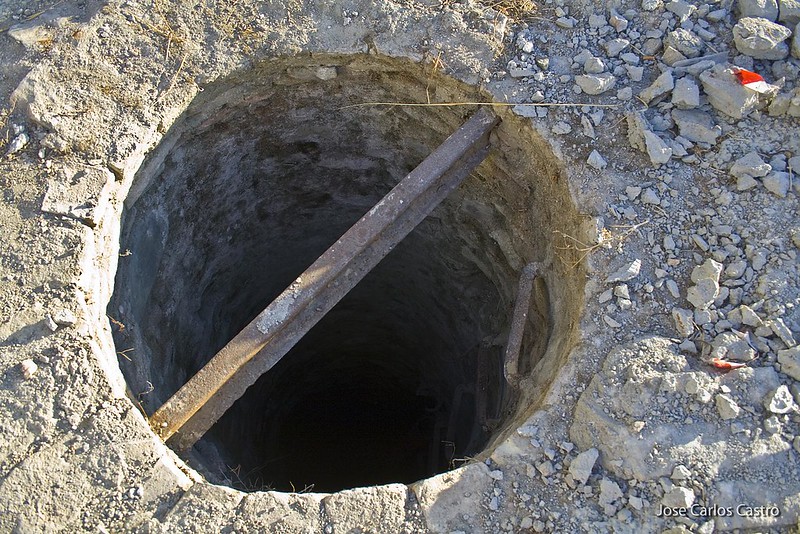
A lot of expats in Spain (me included) see a well on a property and think, Sweet! Free water forever. Sure. Sometimes. Other times, it’s basically liquid rock, full of limestone and farm runoff.
Take Alicante. Land can be cheap inland, but the water? Hard as nails. And full of nitrates from olive farms. It’s not poison, but it’s not great either.
And the drought in 2023-2024? It looked like a mess for a lot of off-grid folks. People on Javea Connect (the Facebook Group) were freaking out—wells running dry, water trucks charging stupid prices. And—this is the part that got me—someone said some of those trucks also empty septic tanks. Same truck. Water today, septic tomorrow.
Yikes.
Anyway, I’ve been looking into how people make well and rainwater safe. Spent the morning googling, asking around, basically falling down a rabbit hole. Here’s what I’ve pieced together.
Why Bother Filtering?
Rainwater, well water, spring water… it looks clean. But so does a glass of vodka, and you wouldn’t bathe in that (I mean, you could, but… you get me).
Water picks up everything. Bacteria. Parasites. Heavy metals. Pesticides. All the junk you don’t want in your coffee. Skip filtering and you’re basically rolling the dice with Giardia, E. coli, lead, arsenic… you name it.
And it’s not just about getting sick. Hard water’s a nightmare. Showering feels like you’re rinsing off with chalk. Pipes get clogged. Appliances die faster. It’s just… annoying. And expensive.
What Kind of Filter Do You Need?
Depends where your water’s coming from. Here’s the deal.
First, get a sediment filter. It catches dirt, sand, whatever else the water drags in. Like the bouncer at a club. Keeps the big stuff out so the rest of your system doesn’t clog up.
Next, activated carbon. This one’s like Brita, but bigger. It pulls out chlorine, pesticides, and anything making the water taste weird. Without it, your water might be safe, but it’ll taste like a swimming pool.
For serious cleaning, you’ve got reverse osmosis or ceramic filters. Reverse osmosis is the big one—gets rid of metals, bacteria, chemicals, all that. But it wastes some water and needs solid pressure. Ceramic’s easier and cheaper but doesn’t touch metals.
If you’re worried about germs, UV purifiers zap bacteria and viruses. Like a bug zapper, but for water. Handy if you’re pulling from a sketchy source.
Some folks talk about distillation. That’s just boiling water, catching the steam, and leaving the gunk behind. Works, but it eats power. Not great if you’re off-grid and counting every watt.
Rainwater setups can usually get by with sediment and carbon.
Well water? You’ll want reverse osmosis or distillation, especially if nitrates or metals are an issue.
Water filtration gets ignored when people go off-grid—until something goes wrong. Suddenly you’re bathing in mineral soup and brushing your teeth with water that smells like a swimming pool.
Rainwater, wells, springs… they’re great. But only if you treat them right. A decent filter setup isn’t just nice—it’s the difference between self-sufficient bliss and, well, diarrhea.
Get it sorted. Your stomach will thank you.