Estudio Jurídico Torrente Abogados AlbaceteAlbacete, Albacete
Buying an off-grid property in Spain
Rustic land, building rules, ruins and the paperwork that catches buyers out.
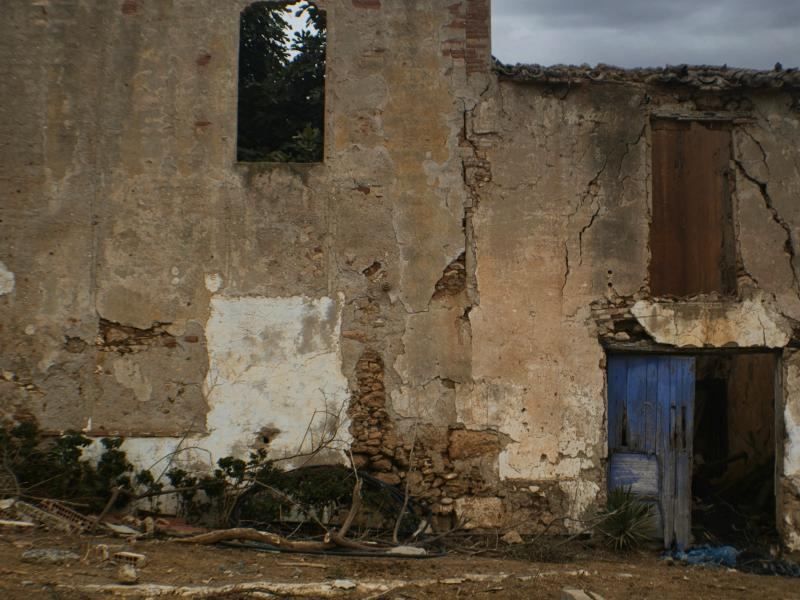
Five pitfalls buyers don't see coming
Pitfall 1Cheap land is “desert bingo”Low prices often mean no water, no access or no permission.
Pitfall 2Permits? Good luckWhat you can build on rustic land is tightly limited.
Pitfall 3Renovating without permissionUnlicensed rebuilds on rustic land can be fined and ordered to be undone.
Pitfall 4Selling your own produceEven small-scale wine or oil sales need licences.
Pitfall 5Living on the landWhether you can legally live there isn’t a given.
What to price before you buy a ruin
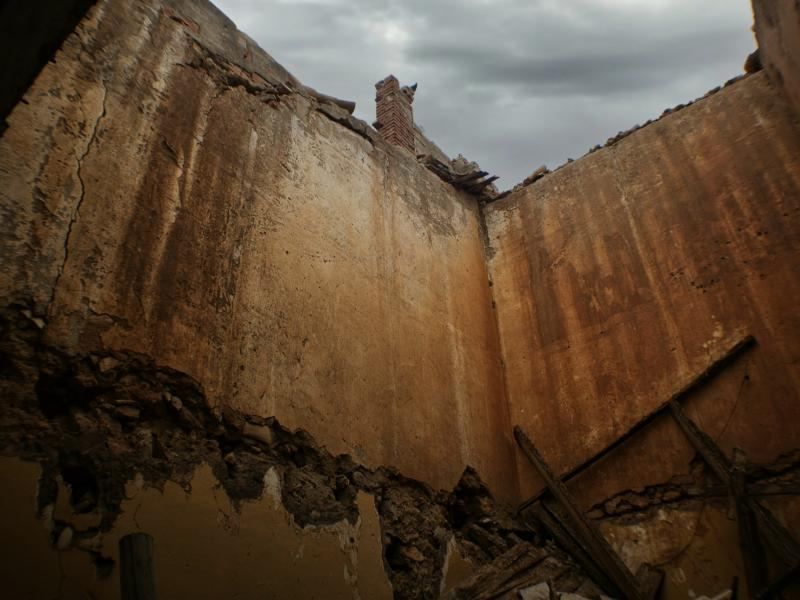
- Roof: tiles only, or new beams too?
- Walls: missing sections, cracks, damp
- Upper floors: safe, or replace?
- Windows and doors, frames included
- Septic: is there one, and is it legal?
- Power and water: nothing connected
Before you buy
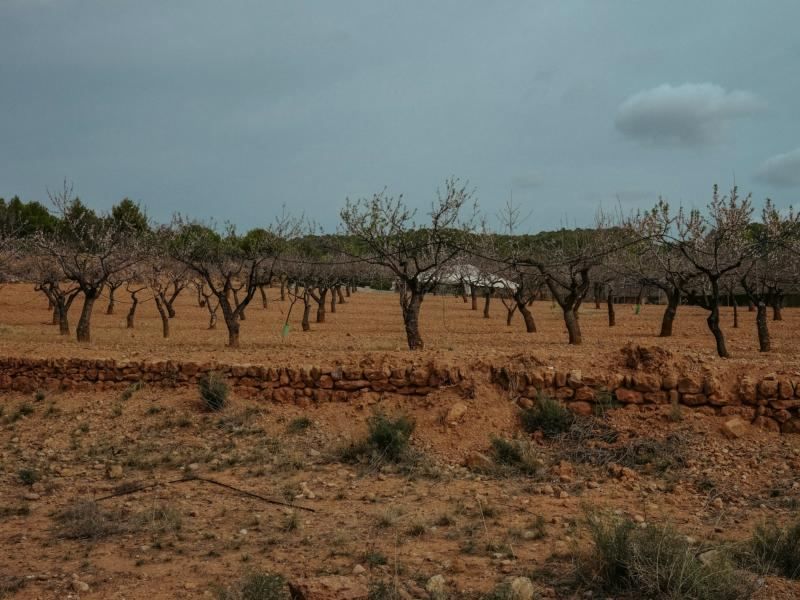
Checks Before Buying Rural Land in Spain
The checks to make before buying rural land in Spain: planning, Registry and Catastro, access, water, flood and fire risk, with a checklist.
Read the guide →
First-Year Costs of Living Off-Grid in Spain
What it costs to run an off-grid home in Spain in the first year: taxes, water, gas, wood, septic, internet and repairs,…

What It Really Costs to Go Off-Grid (and Where I Screwed Up)
When people ask me what it costs to go off-grid in Spain, I usually take a deep breath and stare at the…

9 Considerations Before Going Off-Grid in Spain
Right, so, living off-grid in Spain. Sounds like a dream, doesn’t it? Sunshine, peace and quiet, growing your own food, not having…

Buying a Farm in Spain? 5 Pitfalls You Probably Won’t Believe
Are you dreaming what I'm dreaming? Whole acres of Spanish countryside, rolling hills, olive trees, sunsets that'll break your heart, for less…

Interactive Map of Areas with NO 4G Coverage in Spain
I watched this video the other day, some couple living off-grid in Spain. First thing they mention? "We’re close to a town…
Land, rules and paperwork
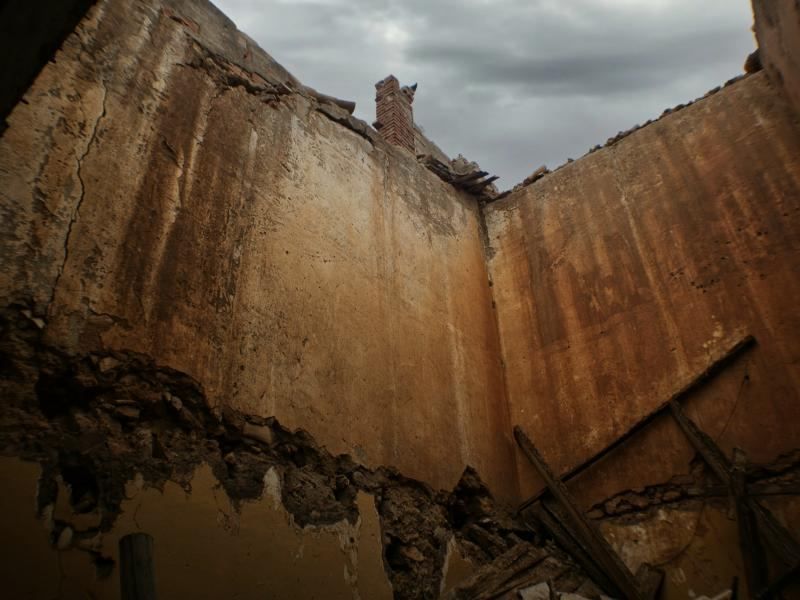
Legalising a Rustic House in Spain: AFO and DAFO
What AFO and DAFO mean, how long the legal clock runs in Andalucía and Valencia, what legalising costs, and what to check before you buy.
Read the guide →
Building Regulations for Rural Properties in Spain: Key Considerations
What you can build on rustic land in Valencia, Andalucía, Murcia and Castilla-La Mancha: minimum plots, size limits, ruins, sheds and pools.

Can You Legally Put a Container House on Rustic Land in Spain?
Let me take a wild guess. You saw those too-good-to-be-true land prices in Spain...and went down some real estate rabbit hole and…

4 Ways to Find a Property’s Cadastral Reference in Spain
Thinking about buying an off-grid property in Spain? Strap in. This isn’t one of those "sign here, and it's yours" situations. You…
Ruins and renovation
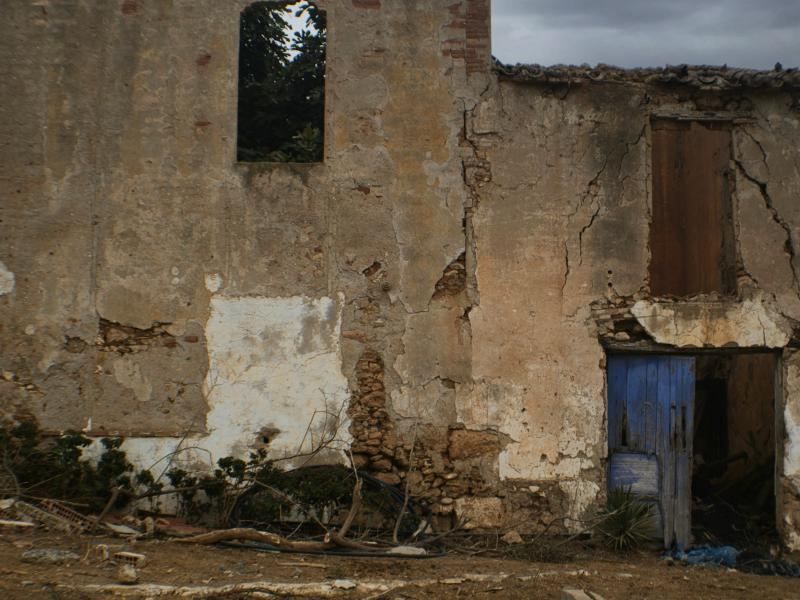
Buying a Ruin in Spain, Step by Step
A step-by-step guide to buying a ruin in Spain: legal status, surveys, purchase tax by region, neighbours’ rights, services and budget.
Read the guide →
Breakdown of Costs to Rehabilitate Off-Grid Ruin in Spain
Lately, I can't stop thinking about this run-down, off-grid property in Jávea, Alicante. There's something about taking a place that’s been left…

Passive Solar Design: Using Architecture to Beat the Heat (and Cold)
There’s a moment, somewhere around mid-July, when the Spanish sun feels less like a life-giving force and more like an aggressive spotlight…
Start here: buying off-grid property in Spain
Most of the expensive mistakes in off-grid Spain happen before the keys change hands. The house is lovely, the view is perfect, and nobody mentions that the extension has no licence, the well isn’t registered or the track floods every winter. This page is the order I’d do things in, with the guide to read at each step.
1. Understand what “legal” means on rustic land
A country house can be in the Catastro, have a meter on the wall and pay its IBI every year and still not be fully legal. Start with legalising a rustic house (AFO and DAFO), then what you can build on rustic land. Together they explain why the age of a building, the category of the land and the region all matter.
2. Know your region
Planning law, purchase tax and even the number of solar panels you need change from one region to the next. In the Valencian Community there’s no time limit on the council’s action against unlicensed building on rustic land; in Andalucía there usually is. Purchase tax on a resale house runs from 7% in Andalucía to 10% or more in Catalonia. The region guides set it all out:
3. Check the land before the house
My checks before buying rural land walk through planning, the Land Registry and Catastro, access, water, flood and fire risk. The cheapest check of all is the cadastral reference; four ways to find it takes five minutes. Then look up mobile coverage on the 4G coverage map if you need to work from home.
4. If it’s a ruin, slow down
Ruins are where the dream and the paperwork collide hardest. Read buying a ruin, step by step before you make an offer, and what it costs to rehabilitate one before you agree a price.
5. Budget for the systems, not just the house
A house with no grid, mains water or sewer needs all three replacing. As a rough guide from the prices on this site: an off-grid solar kit with a 9.6 kWh lithium battery costs about €3,600–€3,700 for the equipment, a fitted rainwater tank €1,500–€7,000, and a septic tank €900–€5,000 for the tank alone, with fitting and licences on top. A borehole adds €1,800–€15,000. Then there’s the running cost, which first-year costs of living off-grid adds up, and my honest account of what it really cost us.
The people you’ll need
For most purchases you’ll want three professionals, and they do different jobs:
- A property lawyer checks title, debts, charges and the contract, and puts conditions in it so you can walk away if the paperwork fails. Find one who does rural conveyancing, not just apartments.
- An architect or technical architect compares what’s built with what’s registered and licensed, and tells you what it would take to regularise it.
- A surveyor or builder you trust looks at the roof, walls, damp and services.
Conveyancing lawyers rarely visit the property, so the architect’s site visit matters. Our directory lists property lawyers and builders and architects who work on rural property.
The mistakes I see most
- Trusting “no pasa nada”. Believe paper, not people. A town hall resolution with a date and file number beats any reassurance.
- Paying the deposit first and checking later. Do the cheap checks before the deposit contract, and make the deposit refundable if they fail.
- Forgetting the track. If a delivery lorry, septic truck or fire engine can’t reach the house after rain, you have a problem. See nobody mentioned the driveway.
- Underestimating water. A dry or unregistered well changes the whole budget.
I’m not a lawyer, and none of this is legal advice for a particular property. It’s the order of questions I wish I’d asked before we bought our finca.
Buying & Law questions
What is a cadastral reference and why does it matter?
It is the property’s unique ID in the Catastro. It tells you what is officially registered, so you can check the house and land match what you are being sold. The guide shows four ways to find it.
Can I put a container house on rustic land?
Sometimes, but it is treated like any other building: plot size and permission rules still apply. Read the guide before you buy the container.
How much does it cost to go off-grid in Spain?
Leaving the property aside, a solar kit, rainwater tank and fitted, licensed septic tank start at around €7,000 and often run well past €20,000, more with a borehole. See the cost table on the homepage for sources.
Property lawyers and more
See all 327 →5.0 (463 reviews on Google)
MHM AbogadosMurcia, Murcia
Igea Cebrian Abogados AlbaceteAlbacete, Albacete
Tripiana & Gutiérrez AbogadosAlmería, Almería
JB AbogadosValencia, Valencia
Más Dos AbogadosValencia, Valencia