
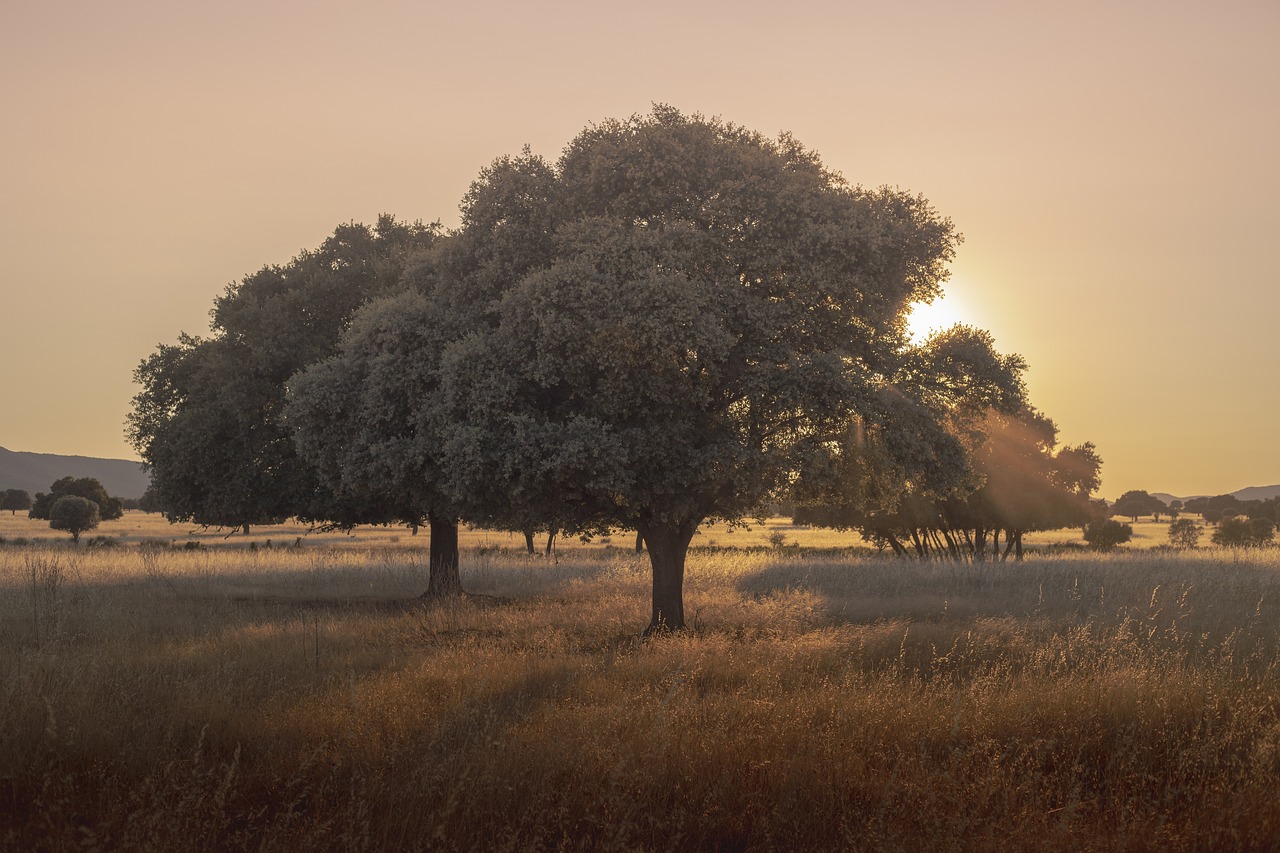
Are you dreaming what I’m dreaming? Whole acres of Spanish countryside—rolling hills, olive trees, sunsets that’ll break your heart—for less than a broom closet in London…
It’s like property porn for anyone dreaming of ditching the 9-to-5 grind. Maybe you’re picturing yourself running a permaculture farm, hosting yoga retreats, or just living off-grid, solar panels humming, veggies sprouting, rainwater tanks overflowing.
Something along those lines? Well. Hold the thought.
I had the dream, too. Still do. I’ve been in Spain since 2019, and my Holy Grail? A bit of land, a stone farmhouse, and an organic fruit-and-veg box business. Simple. Hah. Let me tell you how that fantasy collided headfirst with Spanish reality.
Couple of years back, my father-in-law—Spanish, as you’ll see—swapped a few bar tabs and some future tomato crates for an abandoned plot.
Classic small-town deal: no paperwork, just a handshake over a half-finished beer.
So, we planted. Big time. Three hundred tomato plants (Valencian and Comanche, if you must know) cucumbers, aubergines, green peppers, basil, cherry tomatoes—the works. Threw in 20 chickens for eggs. And it worked.
Between June-August we cleared about €2,500, cash in hand.
Feeling cocky, I whipped up a website, tossed in a “subscribe for weekly veg boxes” button. And… boom. Two days later, the Valencian Government’s agricultural department called. Wanted tomato samples. Something about blight.
I was about to pass the phone to my father-in-law when…
He freaked out. Made me take down the website, delete every social post like the tomato Gestapo was on our tail. And that’s when it hit me: dreams are cute. Reality? Not so much.
So, if you’re daydreaming about your own slice of Spanish farmland, here’s what you need to know.
Pitfall 1: Cheap Land = “Desert Bingo”
There’s this post that pops up on forums all the time: “Too good to be true? Spanish farmland.” The answer’s always the same: yeah, it’s too good to be true.
Here’s a new term I found trawling the forums that I’ve adopted:
It’s desert bingo.
Like, sure, you can buy 100 hectares for the price of a second-hand hatchback. But can you do anything with it? Different story.
One guy nailed it: “We live in the south of Catalunya and have super shitty soil. It’s extremely rocky, alkaline, and poor. In winter, night temperatures can drop far below zero, and in summer they soar over 40°C. Good luck farming!”
But forget soil—water’s the real killer. Most rivers dry up unless it’s flooding season. Even if your land has a well, it might as well be a wishing well.
Bone dry.
Another poor soul in Andalucia bought land, had a well, still ran out of water:
“Our only water supply comes from a well, but despite all the rain we’ve had, our reserve is already almost empty. There has been some landscaping and planting of mango trees within a mile or two of our place over the last 18 months, and we’re assuming any water in the ground is being pumped up by farmers to their own reserve tanks. What we need help with is how to get connected to the agricultural water supply. One local told us the water supplier isn’t connecting new points because they can’t meet the demand.”
Some cooperatives charge a €5,000 fee just to hook you up. Even then, no guarantees. One guy admitted he’d resorted to paying his neighbour—illegally—for water.
Not an arrangement to bet your future on.
Bottom line? Cheap land usually means no water. And no water means no farm. Full stop.
Pitfall 2: Permits? Good Luck
If you’re picturing a cute little farmhouse with chickens scratching around…hold on. Unless there’s already a house on the land—officially registered and all—assume you can’t build squat.
I’ve covered building restrictions on terreno rústico here if you’re interested.
Someone on a forum shared this gem:
“There’s a family here who applied to build an almacén, received written permission, then were stopped mid-build.”
The sticking point here is that an almacén (or warehouse) should be permitted on agricultural land. So long as it’s for agricultural use, you’re fine.
It might be an exaggeration—small towns run on gossip—but the lesson stands: never trust agents, lawyers, or even architects. Go to the town hall (ayuntamiento) yourself. Look the official in the eye.
Get it in writing. Twice.
Every town in Spain has a different policy and a different gatekeeper.
Moral? Don’t assume. Check. Then check again.
Pitfall 3: €257,525 Fine for Renovating Without Permission
Think you’ll just “fix up” an old farmhouse? Cool. Hope you’ve got a spare quarter-million lying around!
Okay, this headline is a little sensational.
But hear this one out.
An expat in Ibiza found a gorgeous casa payesa (traditional farmhouse), started turning it into a luxury eco-retreat—without permits. Council shut him down, fined him €257,525. Partly for undocumented workers, sure, but mostly for building without permission.
They confiscated tools, sealed the property, and ordered him to undo the renovations. Back to square one. Plus debt!
Lesson? Touch nothing—not even paint—until you’ve got every permit in hand. Verbal approval means nothing here.
Pitfall 4: Selling Your Own Wine, Olive Oil, or Veg? Not So Fast
So you’ve got grapes, olives, or veggies. You think, “I’ll sell a few bottles, a few boxes…” Nope.
Welcome to European food regulations—where dreams go to die.
I found this tear-jerker story of a Spanish guy—a fifth-generation winemaker—wjo wanted to sell just 3,000 bottles a year. It was a family’s dying heritage. Hand-plowed vineyard, 100-year-old winepress. The real deal.
The stuff films are made of.
Here’s the full low-down:
“My dream is to sell a little wine (maybe 3,000 bottles) as a hobby. My family has been making wine here for hundreds of years, and the vines are over 100 years old. I have to use a small hand-powered plough because tractors can’t fit between the vines. My winepress is also over 100 years old. They’re about to disappear, but some of us in the village wanted to fight back because the wine we make really is quite good and we have buyers. My question: Why is it so hard to legally do something we’ve been doing for hundreds of years in the same place in the same way? I don’t want to get rich. I just want to sell 1,000 litres or so without being thrown in jail.”
Answer: bureaucracy.
As forum nerds loved to point out, he needed an opening license, self-employment registration, official bottling status, hygiene approvals, tax documentation, food handling certification—even his cleaning products had to be government-approved.
But get this.
Someone on the same forum thread chimed in saying he had done all the above – and still no luck”
The inspectors showed up to grant his production license. Found one wine tank missing a capacity gauge, and wrote him off. But they weren’t done…
They found evidence he’d been already making and bottling wine at the premises, and hit with a €900 fine. For doing something they’d been doing for hundreds of years.
Crazy!
Moral? If you want to sell wine, olive oil, or veggies—consider buying an existing, fully licensed farm.
There are real estate agencies in Spain specialised in selling properties with agricultural licenses. I’ve been drooling over Cottage Properties and their stunning masias for sale in Catalonia with vineyards, winemaking licenses, olive oil production permits, and even some with wheat farming rights…
Ok, they’re not cheap. (Think a few million.) But if this truly is your dream, buying a bargain plot without the proper permits might cost you more time, money, and heartbreak in the long run.
Pitfall 5: Living on Your Land? Maybe. Maybe Not?
I did find one story that gave me hope.
A guy bought 6,000m² of ex-orange plantation near Valencia for €18K. Irrigation included. Fully fenced. Planted fig trees, pomegranates, almonds, prickly pear, fruits, vegetables, perennials, nuts, and seeds.
All for €18k!
And…the plot already had a live connection to piped water!
Sounds perfect, right? Except…he never moved there.
Why? Because he’d done the legwork. He’d already looked at a 4-hectare plot for €10K—but a trip to the town hall made him realise he’d never get any water to it. He found a 12-hectare place with an abandoned house for €20K—but it was in Teruel, hours from the beach and with cruel winters.
So he compromised: bought the farmland and a nearby village house for €14K. Five-minute walk between them. Water, roof, no permit drama.
And a 10-minute drive to the beach to boot.
Moral? Sometimes the dream shifts. You might not sleep under the stars on your farm. But you’ll sleep easier knowing the town hall isn’t coming for you.
Look, I’m not saying “don’t buy land in Spain.” Hell, I’m still chasing the dream. But…do it with your eyes open. The sunsets are gorgeous, but the fine print’ll kill you.
And if some smooth-talking agent says, “Tranquilo, no problem…”
Run!