
Venta de LeñaFortuna, Murcia
Heating and cooling an off-grid home
Inland Spain is cold in January and brutal in August. Stoves, heat pumps, air-con on solar, and the design tricks that do half the work for free.
Staying warm
Staying cool
Installing AC in an Off-Grid Property
Living off-grid sounds like a dream, right? Solar panels soaking up the sun, a little cabin or maybe a slick, self-sufficient setup tucked away from the madness. No bills, no nonsense. Just you, nature,…
Read the guide →
The Day the Air-Con Died (and the Cable I Nearly Tripped Over)
Heatwave, inland Alicante. The sort of afternoon where the cicadas sound cooked and the fridge hum turns smug. I hit the remote,…

Passive Solar Design: Using Architecture to Beat the Heat (and Cold)
There’s a moment, somewhere around mid-July, when the Spanish sun feels less like a life-giving force and more like an aggressive spotlight…
Start here: heating and cooling an off-grid home
Inland Spain is cold in January and brutal in August, and both extremes are expensive in energy. Off-grid, they’re the loads most likely to break the system. The trick is to make the building do as much of the work as possible, then pick the right fuel for what’s left.
1. Start with the building
Thick walls, shade, cross-ventilation and closing up in the heat of the day are free, and they work. Old Spanish country houses were designed around them for a reason. My guide to passive solar design explains how to use the sun in winter and keep it out in summer. If you’re restoring, insulation and good windows will save you more than any appliance.
2. Heat with something other than the battery
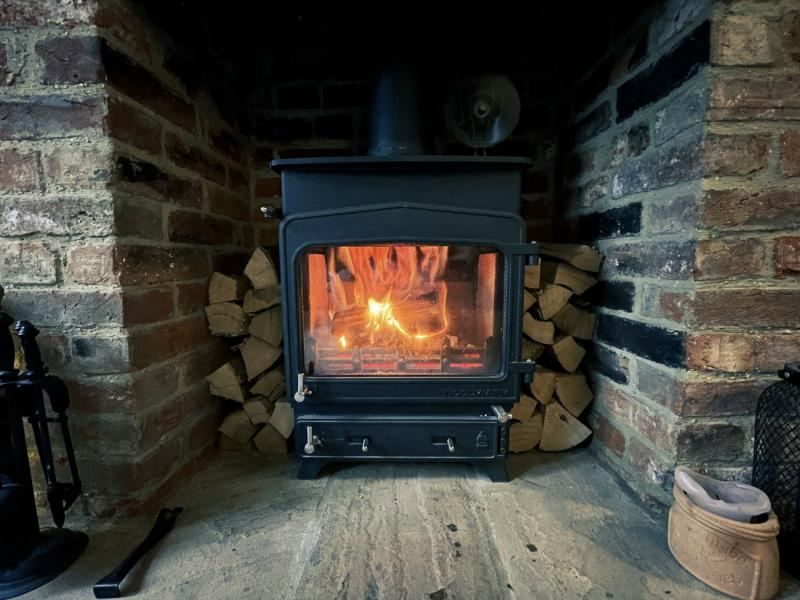
Heating rooms and water with electricity is what turns a modest off-grid system into an enormous one, especially in winter when solar output is at its lowest. Most off-grid households heat with wood or pellets. We heat with wood: heating an off-grid home in inland Alicante shows what that looks like day to day.
A heat pump can work off-grid, but it’s one of the biggest loads in the house, so the panels and batteries have to be sized for it. In northern regions with weak winter sun, like Galicia or inland Catalonia, I’d lean towards wood or pellets. On the cold plateau of Castilla-La Mancha, winter heating is the main energy question.
3. Cool with care
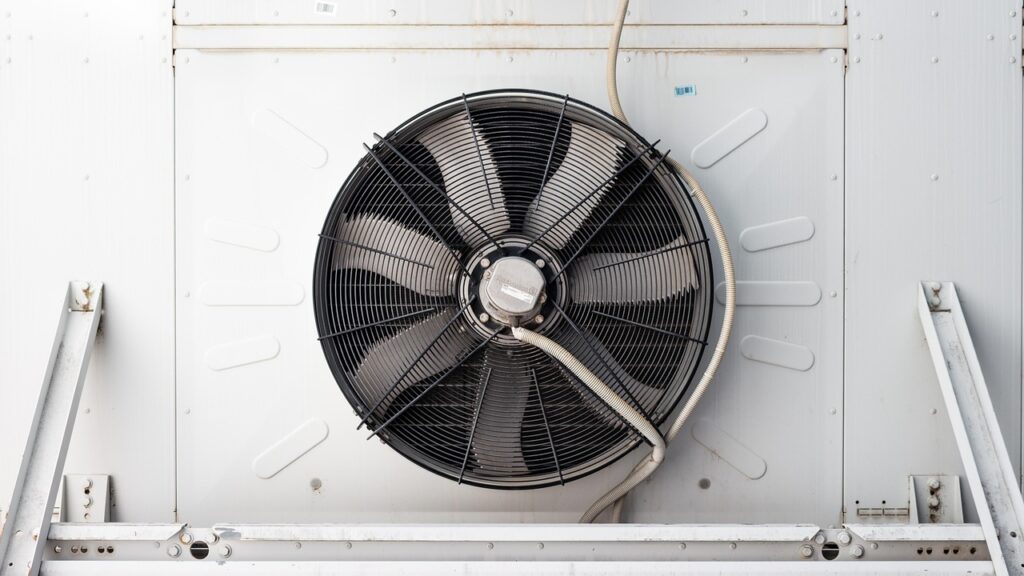
Air-conditioning on solar is perfectly possible, because the sun is strongest when you need it most. The hard part is the evening, when the panels stop and the house is still hot. Plan on serious battery storage if you want it running into the night. Installing air-con in an off-grid property covers sizing, and the day our air-con died is what happens when you don’t leave enough margin.
Which fuel where?
- Wood: cheap if you have trees or a local supplier, and it needs no electricity. It needs storage, drying and work.
- Pellets: cleaner and more automatic than logs, but most pellet stoves need a little power for the fan and feed.
- Gas: bottled or tank gas is common for hot water and cooking off-grid; see the off-grid kitchen.
- Heat pump: efficient, but only if the solar and battery are sized for it.
Greenhouses are their own puzzle; four ways to heat a greenhouse covers the options.
Regional differences
The coast of Murcia and Andalucía needs cooling far more than heating; Galicia, Catalonia and the central plateau are the reverse. The region guides cover the climate side for Andalucía, the Valencian Community, Murcia and Extremadura too.
The directory lists stove and heating firms by province.
Heating & Cooling questions
Can a heat pump run off-grid?
Yes, but it is one of the biggest loads in the house. Size the panels and batteries for it, or use a wood or pellet stove for winter heat.
How do I keep an off-grid house cool?
Start with the building: thick walls, shade, cross-ventilation and closing up in the heat of the day. Then add an efficient split unit sized to your battery.
Wood stove and heating suppliers and more
See all 105 →5.0 (291 reviews on Google)
Chimeneas Legua - Legua ArtesanosXirivella, Valencia
Chimeneas CalpCalp, Alicante
Chimeneas y ForjaTavernes Blanques, Valencia
Leñas Don PalilloArmilla, Granada
Chimeneas el CantoBellreguard, Valencia