
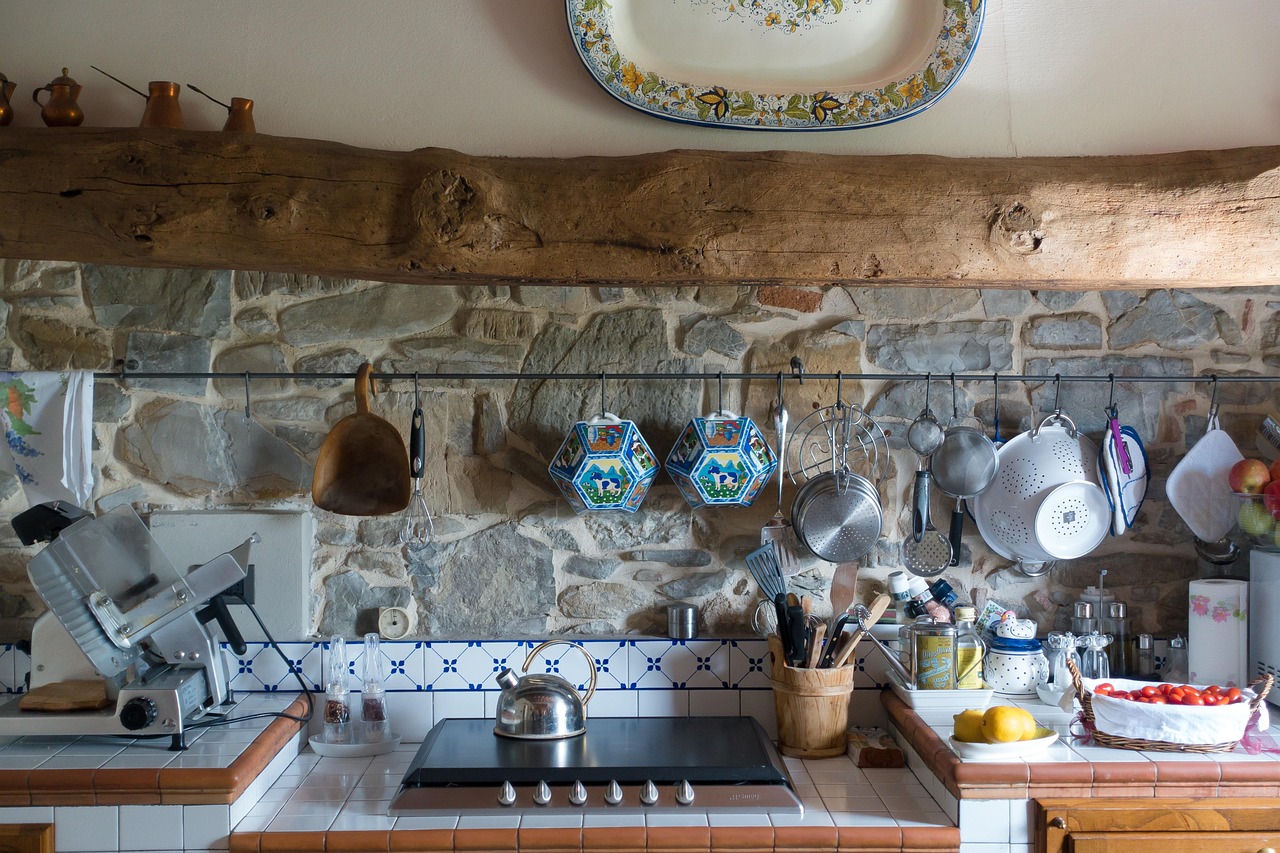
The kitchen, for most people, is the heart of the home. For me, it’s also the place where optimism comes to die. Not because I can’t cook—though I’ve been known to massacre a tortilla—but because designing a kitchen that actually works off-grid is a logistical and emotional odyssey. There are too many variables, not enough energy, and always—always—a kettle boiling at the worst possible time.
What’s the Problem With Kitchens?
Kitchens love energy. They’re greedy, unapologetically so. Fridges, freezers, ovens, toasters, coffee machines, blenders—each one thinks it’s the main character. When I started designing my kitchen here in interior Alicante, it became clear that I couldn’t power everything from my solar array without doubling my panels, battery bank, and possibly selling my electric car.
So I made some calls. Took a few long walks. And eventually built a system that works (mostly) without tantrums.
Gas: The Off-Grid Hero No One Talks About
I know. Gas. It sounds like cheating. But butane cylinders are cheap, portable, and surprisingly easy to get delivered—even here, surrounded by goats and almond trees. My oven and hob are gas-powered, which means I can cook proper meals without destroying my battery reserves. Gas gives me the flexibility to cook like a civilised person and still have power left over for lights, Wi-Fi, and the existential crisis I save for Thursday evenings.
Plus, if you pick the right stove, it doubles as backup heating in winter. Bonus.
Induction: Beautiful, Efficient, Slightly Terrifying
I did experiment with an induction hob. The idea of instant, efficient heat without combustion was too tempting. And honestly, they’re brilliant—fast, sleek, clean. The issue is that induction cooking pulls a lot of power very quickly. Even a small two-zone hob can draw 3–4 kW, which is fine if you’re on-grid and not so fine if your entire home’s running on stored sunshine.
So now, the induction hob is the “guest hob.” I use it when the sun is blazing, batteries are full, and I’m feeling smug. Otherwise, it sits in the corner like a beautiful but high-maintenance friend.
Solar Ovens: Surprisingly Legit
This one’s not a gimmick. Solar ovens work, and they’re weirdly satisfying. I’ve got a fold-out parabolic model that can slow-cook beans, bake bread, and roast veg using nothing but sunshine and patience. On a clear day, it gets up to 180°C (356°F).
Of course, it’s not perfect. Cloudy days = hungry Max. But it’s amazing how often I end up using it. There’s something borderline spiritual about cooking with sunlight. Also, the smug factor is immense.
Fridges and Freezers: The Cold War
I have an energy-efficient 12V fridge/freezer combo designed for RVs. It sips power like a well-mannered guest, which is critical because cold food is non-negotiable. I don’t care how off-grid you go—no one wants lukewarm cheese.
The freezer is small, and I’ve learned to batch-cook and freeze in modest portions. Also, pro tip: if your power’s getting low, wrap the freezer in a sleeping bag. You’ll feel ridiculous, but it works.
Other Bits and Bobs
The coffee machine? Manual. I grind beans with a hand-crank grinder that doubles as an arm workout. Toaster? Fire it. Literally—use the gas flame and some mesh. Blender? Occasional treat powered during high-sun hours. Dishwasher? You’re looking at him.
Building an off-grid kitchen isn’t about compromise—it’s about rethinking the rules. You can still eat well, cook proper meals, and make espresso that slaps. You just have to do it with a bit of planning, a little flexibility, and an acceptance that your appliances might judge you from time to time.
And if you burn the lentils because your solar oven clouded over? Well, that’s just seasoning.