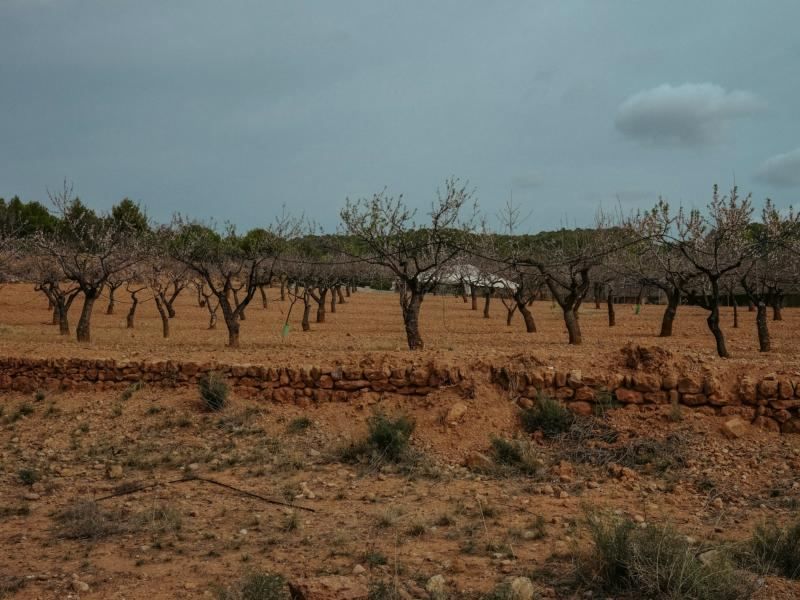
Extremadura is Spain’s big, quiet west: holm-oak pasture (dehesa), stone farmhouses and a lot of empty countryside. The sun is strong, and land away from the towns is the kind of place people go to be left alone.
I’ve never lived there, so this is research, not experience. Every figure is linked to its source.
I’m not a lawyer. Rules change and town halls read them differently. Use this as a map, then get a local lawyer and architect to check the actual property.
The land rules in Extremadura
Extremadura’s planning law is the LOTUS, Ley 11/2018 de ordenación territorial y urbanística sostenible. It’s newer than most regional laws, and the Junta has been working on changes to it, so make sure your advisers use the current text.
Can you build a house on rustic land?
Yes, in principle. The LOTUS allows a detached family house on rustic land, as long as it doesn’t form a new settlement or have any development purpose. A recent municipal planning change published in the regional gazette lists it as an authorisable use, “vivienda familiar aislada, sin formar núcleo de población”, and ties the minimum plot to the local minimum farming unit, with at least 1.5 hectares for irrigated land.
The minimum plot size depends on the town and on the category of rustic land, and it can be large. In Aljucén, near Mérida, the town changed its rules to match the LOTUS and set minimum plots for a house of 15,000 m², 30,000 m² and 60,000 m² in its three categories of protected rustic land, down from 50,000, 80,000 and 150,000 m² before.
That example tells you two things. First, the numbers vary enormously from town to town. Second, they’re measured in hectares, not square metres. A one-hectare “finca” may well be too small to build on, so ask the town hall for the figure for your exact plot before you buy.
Rustic land plans
The Junta is also rolling out Rustic Land Plans (Planes de Suelo Rústico), which set detailed rules for rustic land across groups of towns and can include existing rural settlements. If one covers the area you’re looking at, it may change what you can do, so ask.
Existing houses
Old farmhouses (cortijos and casas de campo) are common, and so are unlicensed additions. Check every building against what’s licensed and registered. My guide to legalising a rustic house explains the general idea and the checks to make.
Purchase tax and buying costs
Extremadura’s transfer tax on resale property starts at 8% and rises to 11% in the higher bands, with a reduced 4% for some young buyers and large families. The regional rules were last updated by the 2026 budget law, in force since 5 August 2026, so check the current bands for your price.
Sun and power
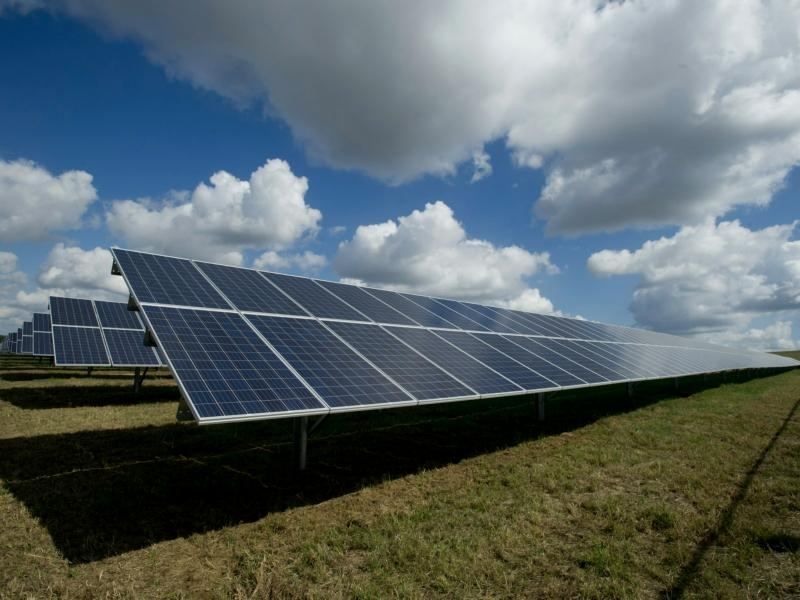
Extremadura is very sunny. Cáceres and Badajoz each get about 5.7 peak sun hours a day averaged over the year, with Cáceres at 3,365 hours of sunshine and Badajoz at 3,224, among the highest in Spain.
Those are annual averages, and an off-grid system lives or dies in winter. I haven’t found a reliable winter figure for Extremadura’s towns from the same source I use elsewhere, so ask any installer to show you their winter production estimate for your site. The European Commission’s free PVGIS tool will give you monthly figures for any location.
Summer is the other side of it. Inland summers here are long and hot, so plan for cooling: shade, thick walls and an efficient split unit with batteries sized to run it into the evening. My guides to air-con off-grid and batteries cover the sums, and solar sizing shows the method.
Water
Most of Extremadura drains to the Guadiana in the south and the Tajo in the north, managed by the Confederación Hidrográfica del Guadiana and the Confederación Hidrográfica del Tajo. One of them is who you deal with for a borehole.
Many dehesa farms rely on wells, ponds (charcas) and springs. Ask what the property has, whether it’s registered and whether it lasts through August. My guide to borehole permits sets out the paperwork, and water deliveries and tanks covers the backup plan.
Waste
Expect to need your own system: a sealed tank, a septic tank with a discharge permit or a small treatment plant. My guide to septic tank rules explains when you need a permit.
Distance
Extremadura’s emptiness is its charm and its cost. Check how far you’d be from a hospital, a builders’ merchant, a mechanic and a school, and whether anyone will deliver gas, water or a pallet of batteries to your gate. My internet guide and the coverage map will tell you whether you can work remotely.
What I’d check before buying in Extremadura
- The minimum plot for a house in that town and land category. Get it in writing.
- Whether a Rustic Land Plan covers the area.
- Every building’s licence.
- Water through August.
- Distance to services, and who delivers.
- Internet coverage at the actual plot.
What it costs to set up here
Here’s a rough set-up budget for an off-grid house in Extremadura, assuming a €150,000 resale purchase. The system prices are national figures I’ve checked, so get local quotes before you rely on them.
| Item | Typical cost |
|---|---|
| Purchase tax (8% (rising in higher bands) on €150,000) | €12,000 |
| Off-grid solar kit, 9.6 kWh lithium, 5 kW inverter (equipment only) | €3,600–€3,700 |
| Installing and legalising the solar system | Legalisation from about €600; installation on top |
| Rainwater tank, installed | €1,500–€7,000 |
| Borehole, if you need one | €1,800–€15,000 |
| Septic tank (tank only) | €900–€5,000, plus fitting from €1,500 and licences of €500–€2,000 |
| Or a small treatment plant, installed | €2,000–€4,000 |
| Starlink internet | From €35 a month, plus a €10 monthly kit fee for new customers |
For a household using about 10 kWh a day, the winter figures above point to eight to nine 550 W panels (around 4.3–4.6 kWp), so the kit in the table would need more panels added. On a big dehesa plot, water storage and long trenches for cables and pipes add costs that a small plot does not have. For running costs once you’ve moved in, see first-year costs of living off-grid.
Heating, cooling and the seasons
Extremadura has hot, dry summers and cool winters, colder in the northern sierras like the Jerte valley and La Vera. Summer cooling is the bigger daily load on the plains around Badajoz and Mérida, so plan the house and battery around it.
Winter heating is best done with wood: holm-oak firewood is a traditional product of the dehesa. Strong year-round sun means the solar side is usually easier than further north.
Internet
Coverage in rural Extremadura varies from valley to valley. Check the 4G coverage map, then test your phone at the property at different times of day. Where 4G is weak, Starlink works almost anywhere with a clear view of the sky. Remember that routers and dishes run all night, so include them in your power budget. My internet guide compares the options.
Buying in Extremadura, step by step
- Get the cadastral reference and look at the Catastro record. My guide shows four ways to find it.
- Order a nota simple from the Land Registry and compare it with the Catastro and with what’s actually there.
- Get the minimum plot size for a house in that town and land category, in writing.
- Ask whether a Rustic Land Plan covers the area.
- Check every building’s licence and registration.
- Confirm water lasts through August, and check internet coverage at the plot.
- Pay an architect for a site visit before the deposit contract, and get a written opinion.
- Have a lawyer write conditions into the deposit contract so you can walk away if the checks fail.
- Sign at the notary, pay the purchase tax, and register the property in your name.
The general checks are covered in checks before buying rural land, and if the property is half fallen down, read buying a ruin step by step as well.
Who to talk to
You’ll deal with the same handful of offices wherever you buy, but it helps to know who does what:
- The town hall’s planning department (urbanismo): the land category, licences, and a written planning report on the plot.
- The Land Registry (Registro de la Propiedad): the nota simple, which shows owners, debts and charges.
- The Catastro: the official description of the land and buildings for tax.
- The water authority, here the Guadiana or Tajo basin authority: boreholes, wells and discharges.
- The regional industry department, here the Junta de Extremadura’s industry department: registering the solar installation’s electrical certificate, usually done by your installer.
- A notary: signs the deed. Notaries check identities and paperwork, not the property itself.
A local architect and a property lawyer will deal with most of these for you, which is the main reason to hire them early.
Mistakes I’d avoid here
- Buying land before getting the minimum plot for a house in writing.
- Assuming a big plot means you can build anywhere on it.
- Underestimating distance to services and deliveries.
- Forgetting summer cooling when sizing the battery.
Quick facts
| Planning law | LOTUS (Ley 11/2018) |
| New house on rustic land | Allowed if it doesn’t form a settlement; minimum plot set locally, often in hectares |
| Purchase tax (resale) | 8%, up to 11% in higher bands |
| Sun | About 5.7 peak sun hours a day, annual average |
| Water authorities | Guadiana; Tajo in the north |
The supplier directory doesn’t cover Extremadura yet; see the provinces we cover.
Questions people ask me
Is Extremadura the cheapest place to go off-grid?
I don’t track land prices. Whatever you pay, check the minimum plot for a house first. Cheap land you can’t build on isn’t cheap.
Can I put a house on a few hectares of dehesa?
Possibly. It depends on the land category and the town’s minimum, which in some places is several hectares. Ask the town hall first.
How hot does it get?
Very. Plan the house and the power system around summer heat as much as winter sun.
Why isn’t there a winter solar figure for Extremadura?
The source I use for the other regions doesn’t list Extremadura’s towns. Ask an installer for a winter estimate, or use the EU’s free PVGIS tool for your exact location.
Can I keep animals on a dehesa plot?
Usually, but livestock has its own registration and rules. Ask the regional agriculture office.
How far apart are services?
It varies a lot. Check the drive to a hospital, a builders’ merchant and a school before you buy.
Is Extremadura good for remote work?
Only where the connection is good. Check 4G at the plot, or plan on Starlink, which needs a clear view of the sky.
What about the northern valleys?
The Jerte valley and La Vera are greener and wetter than the plains, with cooler summers and colder winters. Check winter sun carefully on steep, north-facing slopes.
Do I need a generator?
With strong sun, many households manage without, but distance from help is a reason to have a backup. My generator guide sets out the trade-off.
The short version
Extremadura offers space, sun and land at prices you won’t find on the coast, and its planning law does allow a detached house on rustic land. The catch is the plot size, which is set locally and can run to several hectares. Get that number in writing before you buy, and plan for distance and summer heat.
Leave a Reply