
I never thought I’d miss buffering. But when you move off-grid, suddenly a spinning wheel feels like a cruel joke. See, most people take connectivity for granted. They tap a phone, open a laptop, stream a documentary about goats while simultaneously texting someone about dinner plans. Me? I have to angle a router on a windowsill, whisper threats to a signal booster taped to an olive branch, and pray to the broadband gods of interior Alicante.
The Early Days: The Great Connection Drought
When I first got here, there was no internet. Not slow internet. No internet. Nada. The mobile signal barely worked if I stood on a chair next to the kitchen window with my phone held aloft like some desperate digital shaman. Google Maps would load three days late. WhatsApp was just an empty promise. I sent an email once—it took four hours and a glass of wine.
How I Got Online (Eventually)
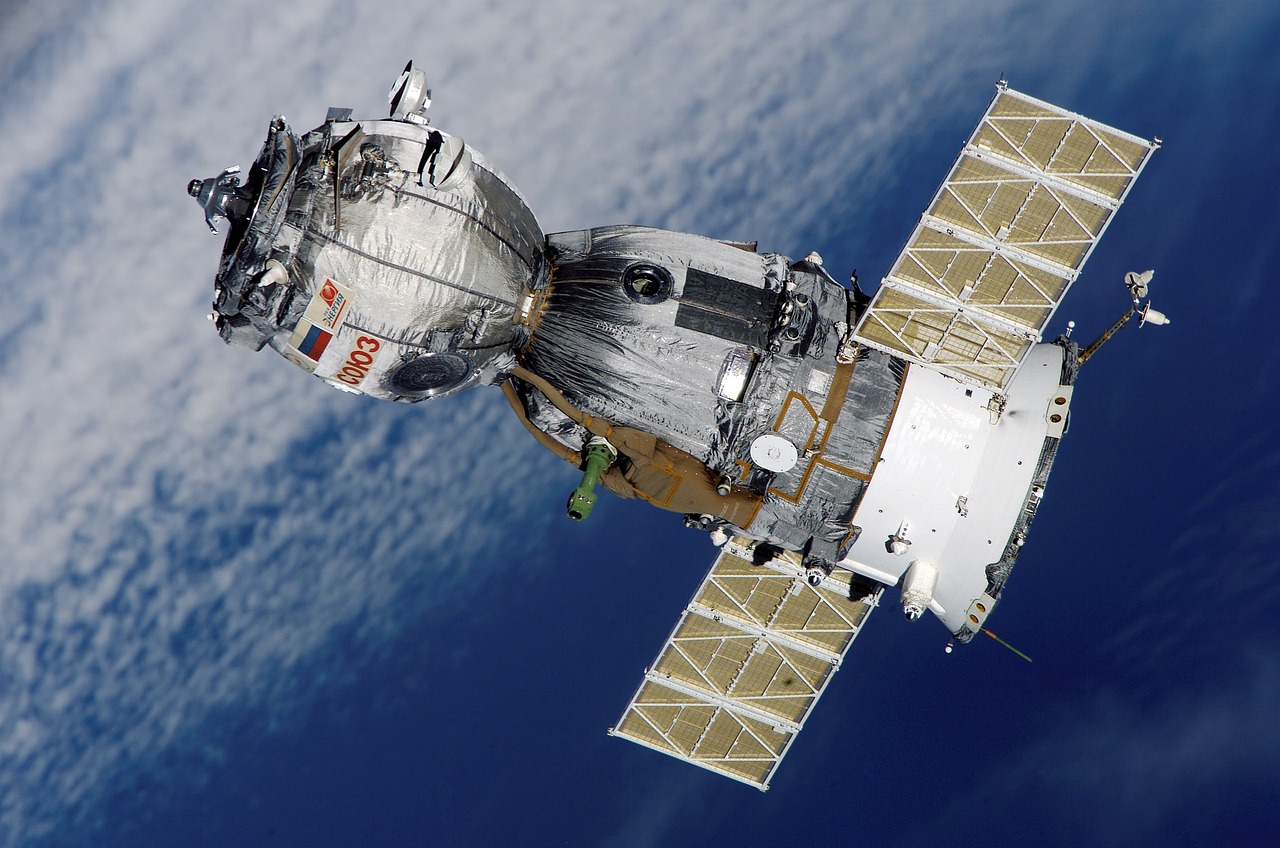
Step one was trial and error. Step two was despair. Step three was Starlink. Yes, I caved. Elon’s orbital disco-ball of satellites is not perfect, but it works, and more importantly—it works here. With a clear sky and a bit of patience, I now get speeds that let me download files, stream low-res videos, and occasionally watch Zoom calls freeze into bizarre digital mosaics.
But it took some tinkering. I had to build a mounting pole, run 30 metres of cable through the chicken coop, and explain to a concerned neighbour why it looked like I was trying to contact aliens.
Boosters, SIMs & Tech Gymnastics
Before Starlink, I tried everything else: mobile Wi-Fi with a Spanish SIM, signal boosters, antennae on sticks, questionable purchases from tech forums. At one point, I had a 3G dongle duct-taped to a frying pan aimed at a distant telecom tower. It worked on Tuesdays. Sometimes.
And phones? Don’t get me started. I use a Spanish PAYG SIM now, which mostly behaves, except when it doesn’t. WhatsApp calls drop during gusty weather. Streaming a podcast while walking through the almond grove? Absolute fantasy.
Mental Health and Internet Blackouts
You start to notice things when you’re disconnected. Like birdsong. Or your own rising blood pressure. I went through a phase where I kept a list of things I needed to Google, then forgot what half of them meant by the time I had a signal again.
There’s a strange kind of madness that sets in when your weather app refuses to load and you can’t remember whether it’s Tuesday or 1997. But you adapt. You learn to download things in advance. You rediscover books. You begin to accept that the outside world can wait—and sometimes, that’s kind of a relief.
Final Thoughts: The Digital Tether
Being off-grid doesn’t mean being offline—not entirely. It means being intentionally connected. I still work online, send emails, update this blog, and waste far too much time in group chats. But now, I do it knowing exactly how much effort it takes to keep that signal alive.
So yes, I’ve screamed at routers. I’ve clambered onto roofs. I’ve Googled “router overheating symptoms” via a café 20km away. But I’ve also watched the stars come out, uninterrupted by alerts. And honestly, that trade-off? It’s not too bad.
Unless it’s raining and I’m trying to stream Bake Off. Then it’s war.