
Heatwave, inland Alicante. The sort of afternoon where the cicadas sound cooked and the fridge hum turns smug. I hit the remote, the split unit coughs, the inverter growls…and then silence. AC dead, breaker sulking. For a second I just stand there sweating in that very Spanish way—calm on the outside, bargaining with the sun on the inside.
I’d sized the system “properly”, of course. Designer brain. 5 kW hybrid inverter, decent lithium stack, 4.8 kWp on the roof pointed at the honest part of the sky. On paper: fine. In practice: compressors don’t read spec sheets. That first kick—the locked-rotor surge—hit harder than I’d allowed for. Heat derated the panels, the batteries were already down from a cloudy morning, and my margin wasn’t a margin. Lesson one (again): summer panel output isn’t the sticker on the box; it’s whatever the modules give you at NOCT when they’re hot and bothered.
I moved into triage mode. Kettle off. Induction hob sulking in the corner. Fridge gets to stay. I shoved a soft-start module onto the “must-buy” list and opened every north-facing thing I own. The house smelled like dust and basil. At some point I dragged a fan from the storeroom and ran an ugly temporary extension across the hallway because I am human and sometimes I do the thing I tell other people not to do.
Which is when I nearly went down.
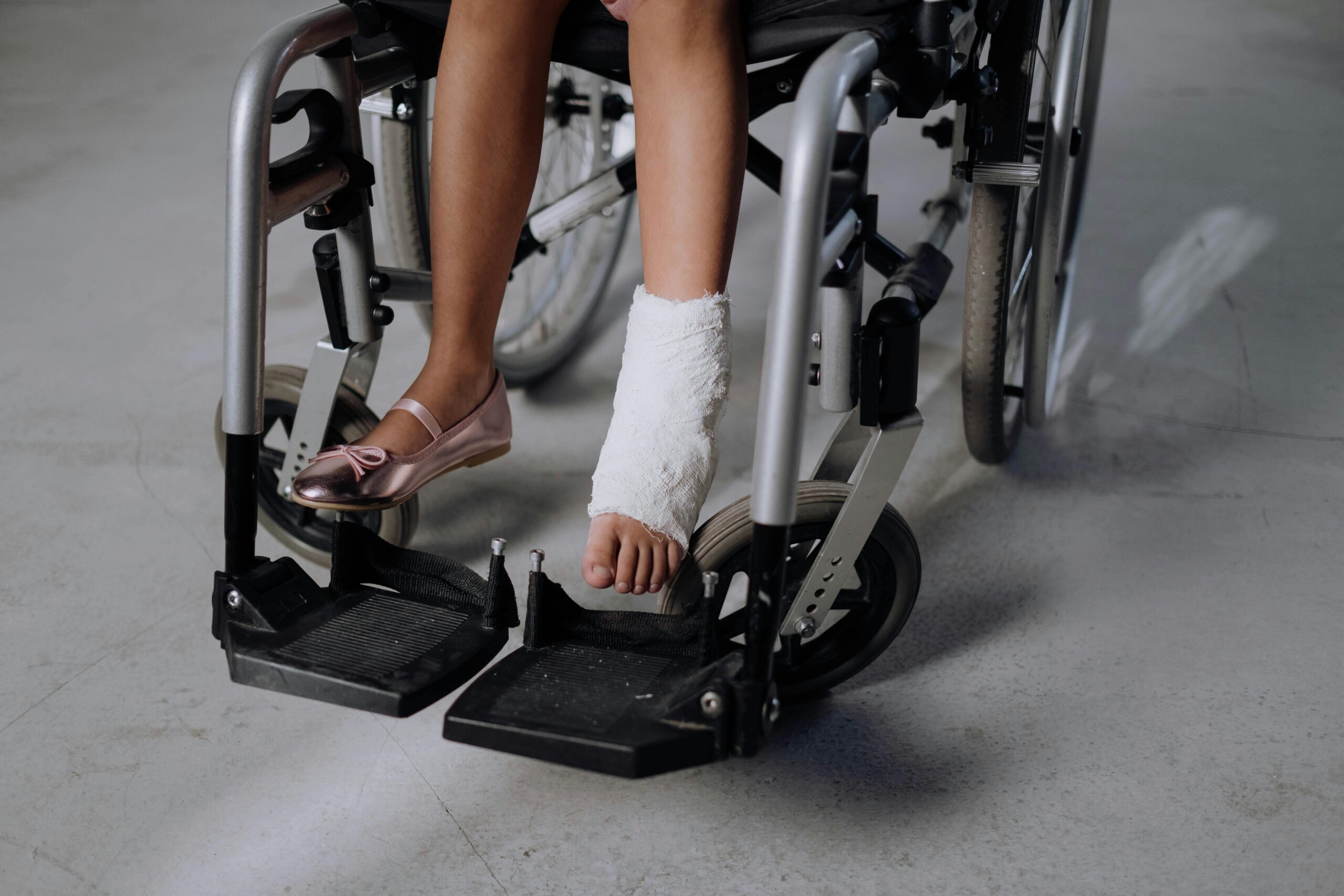
Not a dramatic fall—just that ankle-tweak moment where you see your future in subtitles. The cable was black, the tiles are mottled, the dog was curious, and I’d been up on the roof earlier convincing a loose conduit clip to behave. It was a stack of small decisions. That’s how most “accidents” look from inside: ordinary until they aren’t.
I’ve been thinking about responsibility a lot out here. Not just the personal kind (don’t be an idiot with a cable), but the property kind: steps, lighting, handrails, thresholds. Off-grid tempts you into workarounds. Workarounds become normal. Then a guest visits. Or you rent your place out for a few weeks to help pay for the battery upgrade you swore you didn’t need. And suddenly a trip hazard isn’t a quirk; it’s liability with a capital L.
If you think I’m being dramatic, look at Los Angeles. A short-term rental there ended up paying out big after a guest tripped on a protruding step and suffered a serious leg injury. Firms like Peerali Law handled a $750k settlement on a case like that—same everyday setup, different consequences, and a reminder that design lives downstream of human bodies, not our sketches.
So I did the unglamorous things. I pulled the tape measure and a pencil and started a “trip lines” map. Any change in level got a note: threshold lips, the step down into the workshop, that small ridge where I ran the greywater pipe years ago and promised I’d recess it “next weekend.” I added cheap, low-draw guides: a line of LED path markers along the patio route to the guest room (0.1–0.2 A total), a luminance strip on the two indoor steps, and a motion puck in the corridor that won’t startle you awake but will keep your toes. None of it looks off-grid chic. All of it works.
On the power side, here’s what actually helped (and what didn’t):
- Soft-start on the compressor. This shaved that initial punch enough that the inverter didn’t have to play superhero. It’s not magic; it just buys you milliseconds and amps.
- “Don’t stack peaks” rule. AC kicks? No kettle, no induction, no borehole pump. Peaks happen; collisions are optional.
- Heat-realistic math. My panels were giving ~70–75% of their “promise” at 40 °C roof temps. Designing to STC is cosplay. Design to what your roof lives at.
- Battery state discipline. I stopped “testing the limits” and set a higher minimum SoC through heatwave season. Boring saves afternoons.
What didn’t help was the heroic mindset. I’d been proud of the system: look at this elegant graph, look at my late-night spreadsheet. All useful until it wasn’t. A proper off-grid design isn’t just the power tree; it’s the footpaths, the light cones, the places where cables might wander when you’re tired and the dog wants in and your neighbour rings to ask if you’ve got spare hose connectors because his have disappeared into a parallel universe.
Later, when the air finally came back in a humble, non-dramatic way, I sketched a tiny upgrade path in my notebook: one extra battery module (yes), a second-hand awning over the west windows (cheaper than watts), and a tidy run of floor-level cable ducts in the hall so Future-Idiot-Me can’t “temporarily” stretch a lead ever again. It’s not YouTube-pretty. It’s grown-up.
If you rent your place—even once—walk it like a stranger at night. Shoes on. Lights off. Phone torch not allowed. Find the lip you forgot. Fix the lighting you’ve been “meaning to.” And if you’re in a city where the stakes are high—Los Angeles is the classic example—remember that real cases exist where one missed detail turned into someone’s long recovery and a very large number on a settlement sheet. peeralilaw.com
The air-con is humming as I write this. The dog’s asleep on the cool slab by the door. The extension lead is gone. I still want the bigger battery, but I want thresholds that don’t bite even more. Energy is a design problem. So is walking.