
We don’t have a generator. That surprises people.
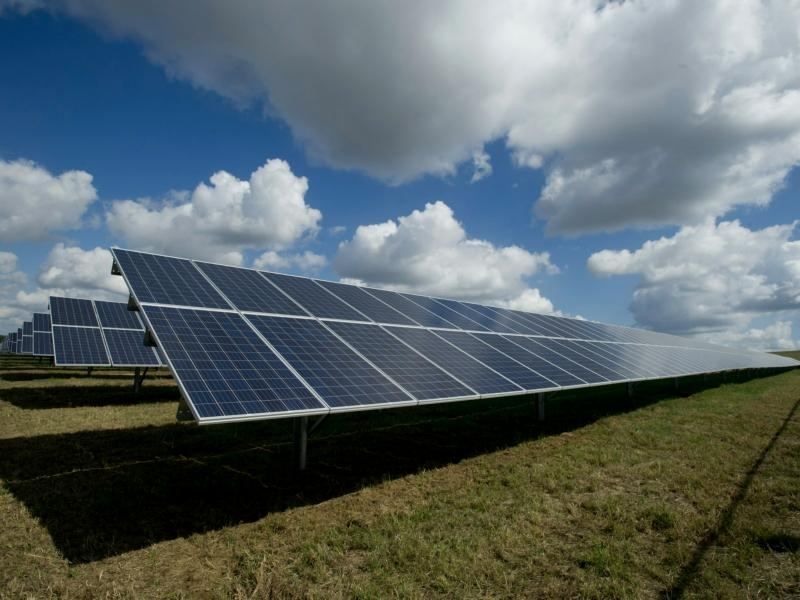
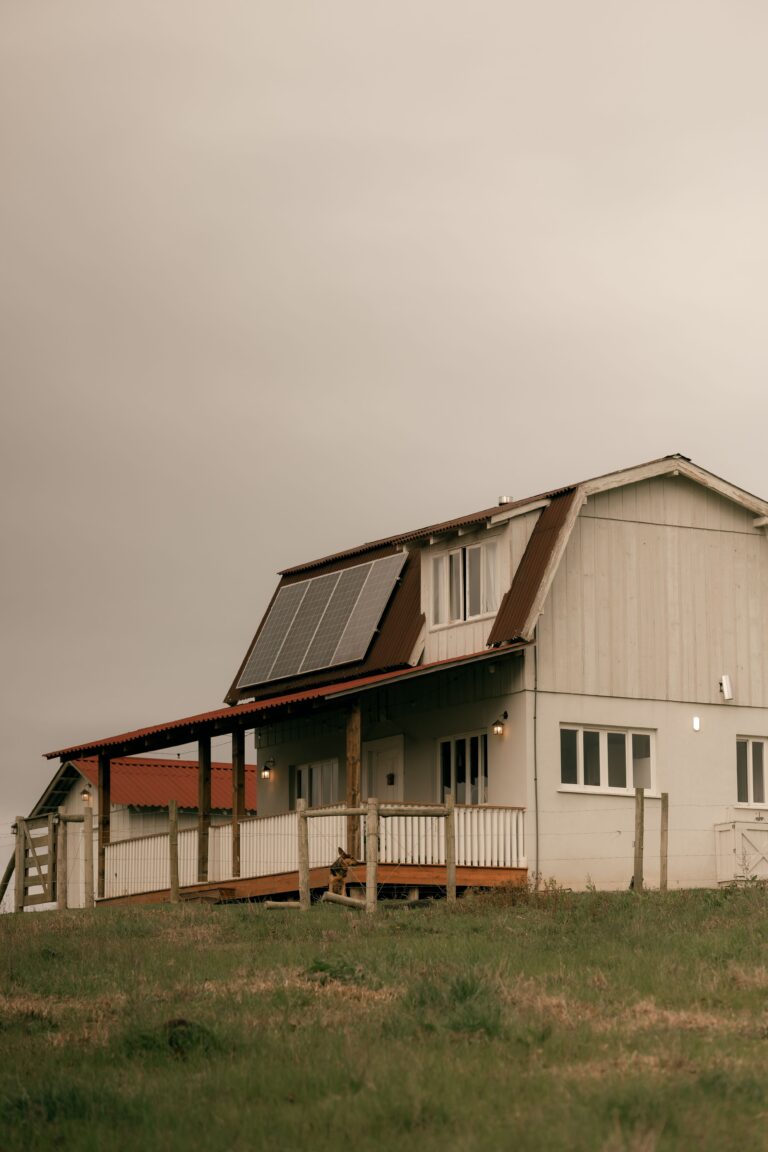
It’s not a principle. It’s arithmetic and habit. Our house runs on just under 5 kWp of panels and 10 kWh of lithium batteries, with wood for heat and gas for most cooking. When it’s been grey for days, we switch things off, delay the washing and light the stove. It’s not for everyone, and there have been evenings when I’ve browsed generator websites after midnight. My friend Dave, who installs solar for a living, talked me out of one in the generator I swore I’d never buy. His point was that most people don’t have a solar problem; they have a storage, consumption or planning problem.
He’s mostly right. But “mostly” isn’t “always”. This guide covers when a generator earns its place, which kind to buy, what it costs, and how to wire it so it helps rather than hinders.
When a generator makes sense
A generator is insurance for the days the sun doesn’t deliver. Whether you need it depends on how much risk of running out you’ll accept, and what running out would cost you.
It makes sense if:
- You can’t cut back. Someone works from home on deadlines, someone needs medical equipment, or you run a business from the house.
- You’re all-electric in winter. A heat pump, an electric oven and an induction hob can empty a battery bank fast in December.
- You charge an EV at home. Cars are big loads. My EV charging piece explains how we manage without a generator, and why that needs patience.
- The system is undersized and you can’t afford to grow it yet. A generator can be a stopgap while you save for more batteries.
- You’re building. Power tools, mixers and welders before the solar is in.
It probably doesn’t make sense if you could spend the same money on batteries or panels and fix the actual shortfall. As Dave put it, most of my “problems” happened between six and ten at night, when I was cooking and running appliances. That’s a timing problem, and timing problems are often solved by moving loads into daylight.
The two main types
Portable inverter generators
These are the small, suitcase-sized petrol units, the kind you see on campsites. The Honda EU22i is the classic example: about 2.2 kW, light enough to carry, and quiet. Honda quotes 57 dB(A) at rated load and 48 dB(A) at a quarter load for the North American version. Retail prices in Europe sit at around €1,559 to €1,969.
Good for: occasional top-ups, building work, emergencies. Many people run one into the inverter’s generator input for a few hours on grey days.
Limits: 2 kW or so isn’t much. It can trickle some charge into the batteries while running the house, but it won’t power an all-electric house on its own. You also have to start it by hand, store petrol, and look after it.
Standby diesel (or gas) generators
These are bigger, heavier units, often soundproofed in a cabinet, designed to run for hours and start automatically. A common budget option sold by Spanish solar retailers is the ITC Power range: a 6 kW diesel set costs €1,511.50 open-frame and €1,814 soundproofed. More robust brands cost considerably more; one retailer puts diesel generators in general at €1,700 to €11,000.
Good for: houses that will rely on a generator regularly in winter, and anyone who wants it to start itself when the batteries run low.
Limits: noise, fuel storage, maintenance and the need for a proper, ventilated position with room for a fuel tank and service access.
Gas (LPG) generators exist too. One Spanish retailer lists them as common in rural homes. If you already have a large propane tank, they’re worth a look.
| Type | Typical power | Example price | Best for |
|---|---|---|---|
| Portable petrol inverter | About 2 kW | About €1,550–€1,970 (Honda EU22i) | Occasional top-ups, emergencies |
| Open-frame diesel | About 6 kW | €1,511.50 (ITC Power DG7800LE) | Building work, occasional heavy loads |
| Soundproofed diesel, auto-start capable | About 6 kW | €1,814–€1,914.83 (ITC Power DG7800SE range) | Regular winter backup |
How to connect a generator to a solar system
Most off-grid inverters have an AC input for a generator. Connect it there, not to the house circuits directly. The inverter then does three useful things.
It charges the batteries. The inverter uses the generator’s power to run the house and puts whatever’s left into the batteries.
It doesn’t overload the generator. Victron’s datasheet for the MultiPlus-II explains that you can set a maximum current from the generator, and the inverter uses the surplus to charge the battery, avoiding overload. When a big load comes on, the inverter tops up the generator’s power with power from the battery.
It can start the generator automatically. Many inverters have a programmable relay that can be used to start a generator. You set the rules, for instance “start when the battery drops below 20%”. One off-grid owner in Murcia describes exactly that setup on a Spanish solar forum: generator into the inverter’s AC input, start relay to the monitoring unit, starting when the battery falls below 20%. Auto-start needs a generator with electric start and a compatible start connection, so check before you buy. Some cheaper inverters can trigger a start but don’t let you choose the start and stop times, only respond to battery voltage.
Have it installed by an authorised electrician and included in your installation certificate. Getting the earthing and the changeover right matters, and so does keeping your paperwork straight (my solar guide covers legalisation).
Sizing a generator
For charging batteries through an inverter, you don’t need a huge generator. What you need is:
- Enough output to run the house’s base load and charge the batteries at a useful rate.
- No more than the inverter’s AC input can accept.
- An output that matches the battery charger’s appetite, so the generator runs near its efficient load, not idling.
A 2 kW portable will help in a pinch. For regular winter backup on a family house, the 5–7 kW diesel class is common. If you have a heat pump, an oven and a pump that could all start at once, ask your installer to model the worst case.
Running costs and practicalities
- Fuel. You’ll need to store it, and petrol in particular goes stale. Buy it in small amounts, and drain or stabilise it if the generator won’t run for months. Honda’s EU22i, for example, lets you drain the carburettor before storage to avoid blockages.
- Maintenance. Oil changes, filters, a test run every month or so. A generator that hasn’t run since last winter is a generator that won’t start when you need it.
- Noise and neighbours. Even in the campo, sound carries at night. Check your town’s noise ordinance, choose a soundproofed model if it will run often, and site it thoughtfully.
- Fire safety. Keep fuel and the generator away from dry vegetation and the house, especially in summer.
- Exhaust. Never run a generator indoors or in a closed shed. Carbon monoxide kills.
The alternative: more batteries, fewer loads
Before buying a generator, price the same money in batteries. With lithium modules at roughly €900–€1,100 for 4.8 kWh in Spain, €1,800 buys a fair amount of extra storage. Storage doesn’t help in a week of cloud if the panels can’t refill it, but it does solve the evening shortfall that drives most generator purchases.
And look hard at the loads. Moving the washing, the water pumping and the car charging into the sunny middle of the day made a bigger difference to our winter than any piece of kit. My battery guide and the summer I learned to stop wasting solar go into how.
Petrol, diesel or gas?
Each fuel has its place.
- Petrol powers most small portable generators. It’s easy to buy, but it doesn’t keep well in a can, and storing a lot of it near the house isn’t wise.
- Diesel suits bigger generators that run for long periods. It keeps better than petrol, and diesel engines are built for long running hours. They’re heavier and noisier unless they’re soundproofed.
- LPG (propane) generators can run from a large gas tank or bottles. If you already have a big propane tank for the kitchen or heating, they’re convenient, and gas doesn’t go stale.
Whatever you choose, think about where the fuel will live. Keep it in proper containers, away from the house and from anything that could start a fire, and don’t store more than you need.
How we get through a grey week without one
Since we don’t have a generator, people ask what happens when the sun disappears for days. Here’s our routine, roughly in the order we do things:
- Watch the forecast. If a grey spell is coming, we fill everything while the sun’s out: run the washing, pump the water tank full, charge the car, laptops and power banks.
- Cut the heavy loads. No tumble dryer (we don’t have one), no electric oven, no long showers on the electric heater.
- Move heating and cooking to wood and gas. The stove heats the living room and dries the washing; gas cooks the dinner.
- Watch the battery. We keep a reserve, so the essentials (fridge, lights, router, water pump) keep going.
- Turn off what nobody needs. Starlink at night, the second freezer if it’s nearly empty, the workshop.
It’s not much of a sacrifice, and it’s become part of the rhythm of the place. But it relies on two things: a household that’s willing, and a house that heats and cooks without electricity. Change either and a generator starts to make more sense.
Second-hand generators
There’s a big second-hand market, especially for portable units. A good second-hand inverter generator from a reputable brand can be a sensible buy. Ask for the service history, check the running hours if there’s a meter, listen to it start cold, and run it under load for a while. Avoid anything that’s been sitting with old fuel in it for years.
For standby diesel sets, second-hand is more of a gamble unless you know the seller or have it checked by a mechanic.
Questions to ask your installer
If you decide you want a generator, ask your solar installer:
- What size of generator suits my inverter’s AC input and charger?
- Can the inverter start it automatically, and on what conditions?
- Where should it go, and how will the cable and fuel get there?
- Will it be included in the installation certificate?
- What should I set as the maximum generator current?
Questions people ask me
Do I need a generator to go off-grid in Spain?
No. Plenty of homes, ours included, manage without one by sizing the system for winter and cutting back on grey days. But it’s sensible insurance if you can’t cut back.
Petrol or diesel?
Petrol portables are cheaper, lighter and quieter, and fine for occasional use. Diesel standby sets suit regular running and auto-start.
Can I plug a generator into a socket?
No. Back-feeding a house through a socket is dangerous. Connect it through the inverter’s generator input or a proper changeover switch, installed by an electrician.
How big a generator for a house?
For occasional charging, about 2 kW. For regular winter backup of a family house, 5–7 kW is common. Check what your inverter can accept.
Will a generator damage my batteries?
Not if it charges them through the inverter with the right settings. The inverter controls the charge, not the generator.
The bottom line
A generator is a seatbelt, not an engine. If your solar and batteries are sized for winter and you’re willing to adapt, you may never need one. If you can’t adapt, buy a quiet one, wire it through the inverter, let it start itself, and keep it serviced. Either way, fix the timing and storage first. Dave would want me to say that.


Leave a Reply