
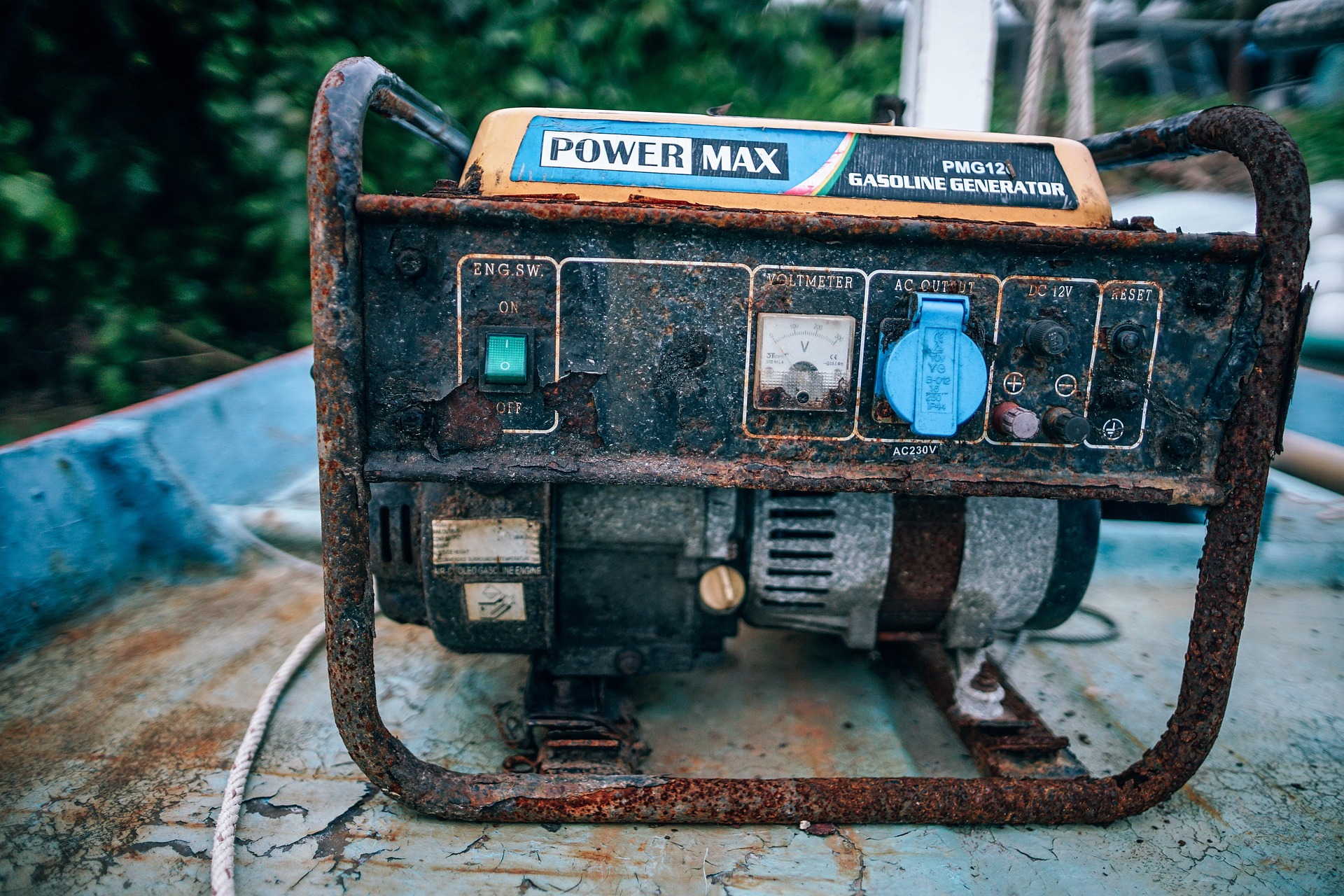
A few days later, my friend Dave dropped by.
Dave spends most of his working life crawling around roofs, loft spaces and electrical cupboards. He works as a solar panel installer in Javea and has developed the sort of calm patience normally associated with primary school teachers and hostage negotiators.
Naturally, I decided to explain why I was thinking about buying a generator.
He listened for about five minutes.
Then he looked out of the window at the solar array.
Then back at me.
Then back at the solar array.
“You realise,” he said, “that most people don’t have a solar problem. They have a storage problem, a consumption problem, or a planning problem.”
I hate it when people make sensible points.
For the next hour we stood in the kitchen drinking coffee while Dave dismantled every argument I’d carefully built in favour of buying a noisy diesel generator.
The weather had been poor.
Yes.
Production was down.
Also true.
But when we actually looked at the numbers, most of my problems seemed to happen between six and ten at night, exactly when I was cooking, charging things, running appliances and generally pretending electricity grew on trees.
The solar panels weren’t really the issue.
The timing was.
That was slightly annoying because a generator felt like an exciting purchase. Another battery felt about as exciting as buying a new wheelbarrow.
Still, Dave had a point.
The older I get, the more I realise that off-grid living isn’t about eliminating every weakness. It’s about understanding where the weaknesses actually are.
Unfortunately, that doesn’t stop me browsing generator websites after midnight.