
People ask if it’s possible. Yes. If you accept the pace and keep your kit boring.
My setup is plain: 5 kW of panels, 10 kWh battery, hybrid inverter. South roof. Fixed tilt. No trackers. Conduit runs that don’t rattle in wind. In June the car drinks sun and the house runs live. In December the fridge wins. The router wins. The car waits its turn.
Real use, not brochure talk. A small EV will sit around 15 kWh per 100 km if you drive like you’re not late. On a clean summer day here I see 25 to 28 kWh from the array. House takes its bite. I send 18 to 20 kWh to the car. That’s roughly 120 to 130 km. On a grey winter day I might get 6 to 10 kWh total. Those days the car gets nothing and life carries on.
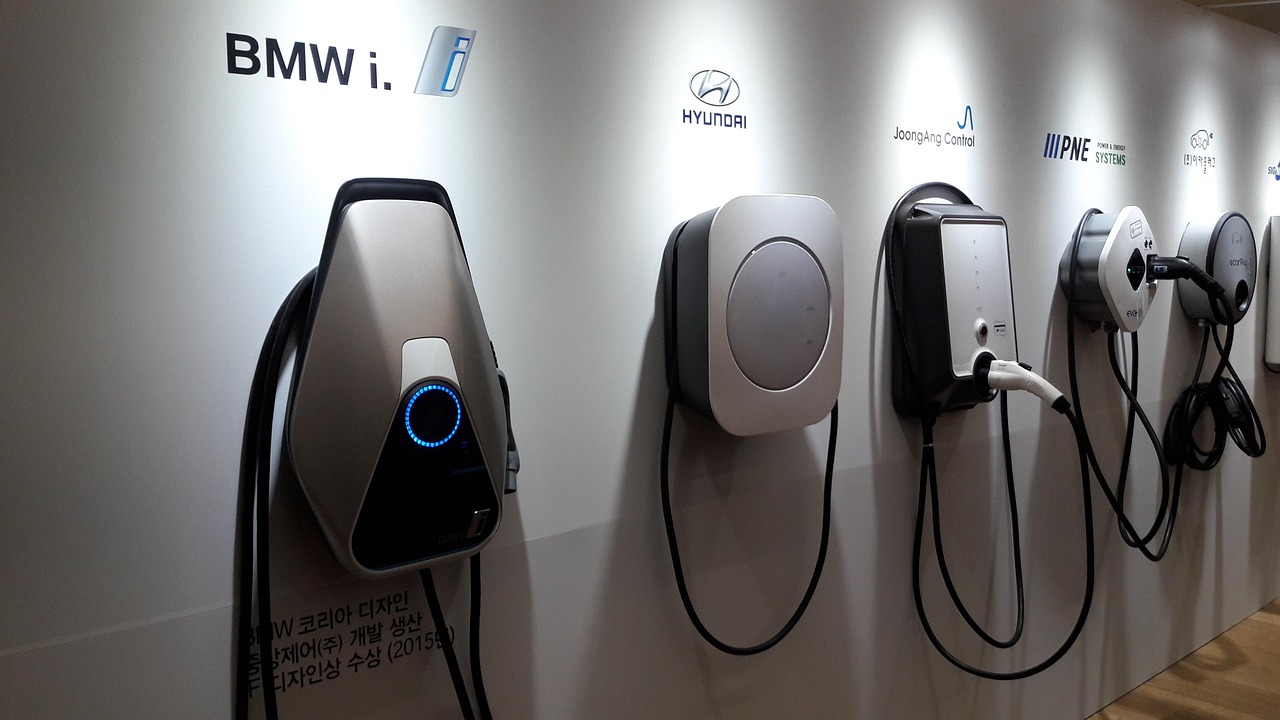
Charging rate matters more than most people think. I set the EVSE to 10 to 16 amps. Slow. Boring. It matches midday production so I’m not sucking the battery dry at 13:00. If a cloud bank turns up, I hit a big physical switch and stop the charge. The fridge never negotiates.
Morning is house time: kettle, one wash, maybe the dishwasher if the forecast isn’t lying. Noon to late afternoon is car time. I cap the car at 80 percent on sunny runs so the next day has headroom and I don’t waste a good hour clipping at full. I tried running 7 kW on this array once. Emptied the battery by early afternoon. Lesson learned. Gentle wins.
“Smart” schedules tripped me up more than once. They don’t see clouds. You think you’re clever until the car drags from the grid at 19:10 because a timer didn’t care that the sky changed. Now I watch the meter. If production is up, the car sips. If it drops, the car stops. No drama.
Costs. Panels and battery don’t pay you back with a single lightbulb moment. They give you a rhythm. Summer surplus goes out on an export contract. Winter import happens, but at night rates and only if I must. Most weeks I cover local driving on sun alone. For a longer trip I plan public rapid charging on the way out, come home near empty, and let the roof refill over a few days.
All this nudges your taste toward sturdy things. Heavy taps with valves you can trust. Tools that still work when the inverter sulks. I caught myself hunting a proper task lamp for the bench and ended up scrolling antiques Steel arm. Real switch. Shade that doesn’t cook bulbs. It’s not nostalgia. It just fits a house where you pay attention.
If you’re starting from scratch, don’t oversize for August. Size for January when the sky is stingy and you still want hot water and lights without babysitting. Put a meter where you can see it. A live watt number changes behaviour faster than any app. Give yourself manual overrides for every “smart” thing. When an automation guesses wrong, you want a switch, not a menu.
Driving habits help more than new hardware. Tyres at the right pressure. Smooth throttle. Heat-pump cabins if you can get one. Pre-condition while the panels are awake, not at 6 a.m. from the battery. I keep a simple log: odometer, kWh to the car, weather note. Over months the pattern is plain. Spring and autumn feel easy. Summer is generous but you’re fighting heat. Winter is lean and honest. I average 40 to 60 km a day from solar, which covers school runs, shops, the odd back-road errand. Anything more gets planned.
A few small hacks that stuck:
- One big load per hour. Oven, then washer, then car. Never together.
- Keep the EV cable hanging and ready so you don’t talk yourself out of a midday top-up.
- Shade the inverter. Cool electronics waste less.
- Clean panels after dusty wind. It buys real kilowatt-hours.
People want a silver bullet. There isn’t one. It’s small decisions, repeated. Set a modest charge current. Let the house win. Stop when clouds build. Write things down. Check reality tomorrow and tune again.
The nicest bit is quiet. Panels humming, car taking a measured sip, lights steady, battery still healthy for the evening. No heroics. No dashboards full of trophies. Just a system that fits the place you live and the way you move around it.
Yes, you can charge an EV off grid in Spain. Keep it simple. Go slow. Pay attention. The car fills. The house stays calm. And you end up liking old, fixable things again, which is not the worst side effect.