
Thinking about going off-grid is one thing—actually planning for it is another.
I’ve spent months obsessing over solar panels, battery storage, water filtration—even composting toilets (which, let’s be honest, are a harder sell than I expected). But there’s one big question I keep coming back to: can I own and charge an electric car while living completely off-grid?
Why I Want an Electric Vehicle
When I finally get my off-grid place in the next 2–3 years, I want an electric car. Simple as that.
Not just because I like EVs, but because it fits with the whole idea of independence. No gas stations, no fuel shortages, no worrying about rising prices. Just solar panels, a charger, and the sun keeping me on the road.
That’s the dream, anyway. The reality? A little trickier. Charging an EV takes a lot of energy. More than I originally thought.
The Energy Reality of Charging an EV Off-Grid
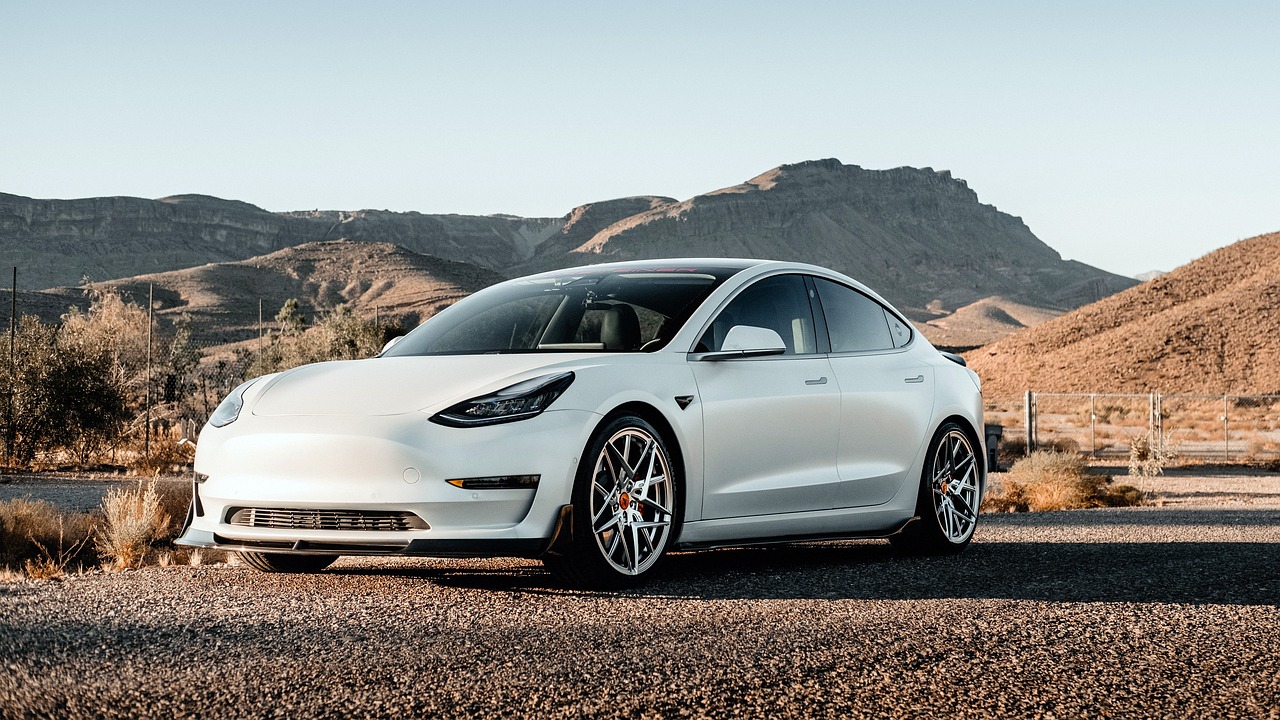
A Tesla Model 3 (the one I want) pulls around 7 kW per hour on a standard home charger. Not a big deal if you’re on the grid, but for an off-grid solar and battery system? That’s a massive demand.
So I ran the numbers.
A solid off-grid setup might have a 10 kW solar array with a 40 kWh battery bank. On a good sunny day, that system could generate about 50 kWh—enough to power a house comfortably. But adding an EV to the mix? A full charge for the Model 3 needs about 75 kWh, meaning I’d need more than a whole day’s worth of solar energy just to charge the car.
Not exactly practical unless I plan for it.
Making It Work: The Charging Strategy
Charging an EV off-grid means rethinking the whole approach. Instead of plugging in every night like you would in a regular home, it’s all about timing and efficiency. Here’s how I’d make it work:
- Charge only during peak sunlight hours – No draining the battery bank overnight. I’d charge when the panels are producing at full capacity, using direct solar energy instead of stored power.
- Slow, steady charging – Instead of a high-powered 7 kW charger, I’d limit charging to 2-3 kW. Easier on the system, and it means I still have power for everything else.
- Plan trips around the weather – Drive less on cloudy weeks, charge up when there’s surplus solar. Basically, turn the car into part of the off-grid equation.
- Backup generator (just in case) – I want to keep things 100% solar, but if I get hit with weeks of bad weather? Having a backup generator is just common sense.
Is It Worth It?
Short answer? Yeah, for me, it is.
I don’t want to rely on fossil fuels. I want total control over my energy use. And honestly? There’s something satisfying about the idea of driving a car powered completely by the sun.
But it’s not for everyone. If you’re thinking about going off-grid and getting an EV, be ready to expand your solar and battery setup, adjust how you drive, and figure things out as you go.
That said, once it’s dialed in? There’s nothing quite like the feeling of charging up for free, knowing the sun has your back.