
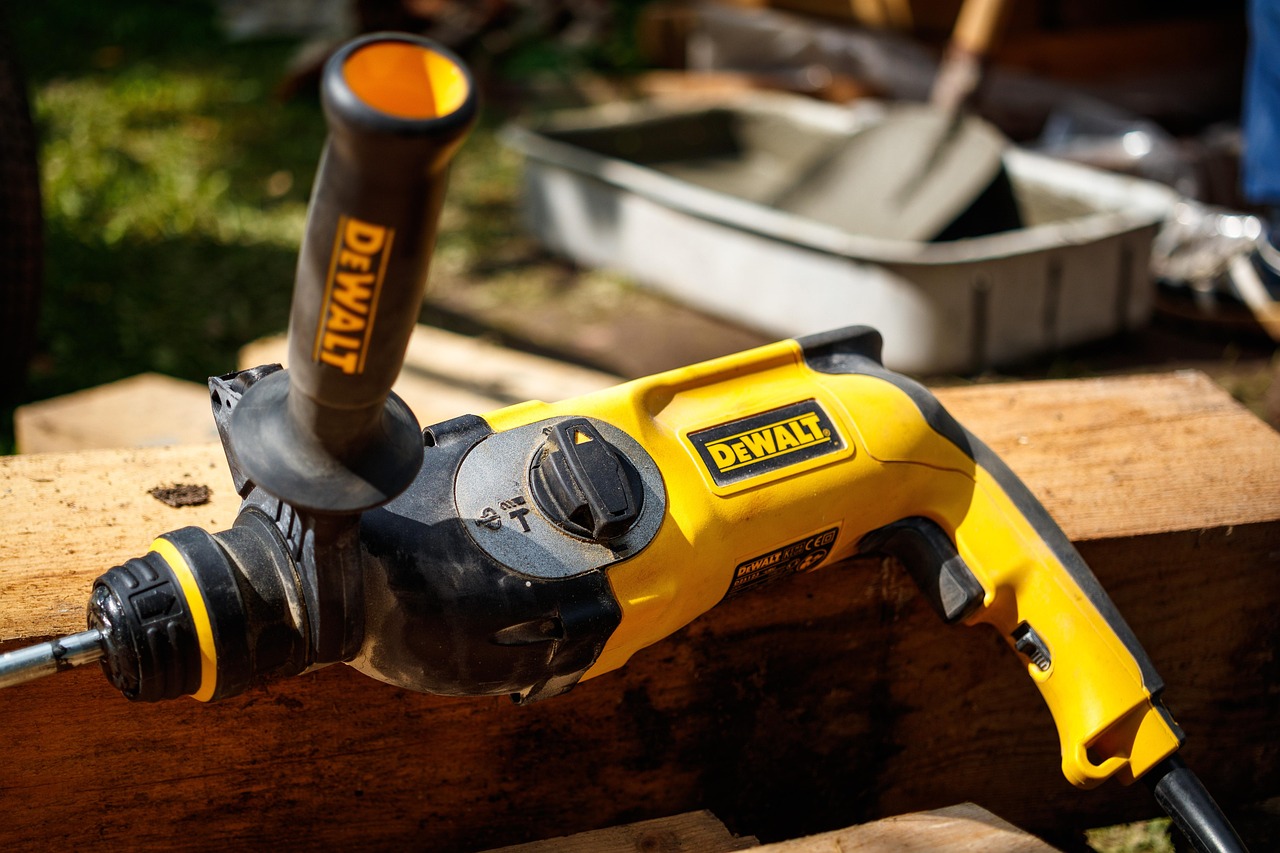
There’s a special kind of joy that comes from building something with your own hands. There’s also a special kind of panic when your cordless drill dies halfway through a job and you realise the sun’s gone in, the batteries are flat, and you now live in a partially disassembled chicken coop. Welcome to the sacred chaos of off-grid DIY.
Why I Built a Workshop in the First Place
Because things break. Constantly. When you live miles from the nearest hardware store and the plumber ghosted you in 2022, having a proper set of tools is less of a luxury and more of a survival mechanism. Screws loosen, hinges warp, water lines split with theatrical timing, and don’t get me started on the gutter brackets that fling themselves off the roof every time the wind picks up.
So yes, I built a workshop. It’s not Pinterest-pretty. It’s got one crooked shelf, a table I made out of pallet wood, and a bench vice that only sort of works. But it’s mine, it’s solar-powered, and it smells like ambition and sawdust.
Electric Tools Off-Grid: A Delicate Ballet of Charge and Pray
Here’s the trick: not all electric tools are created equal when your power comes from sunshine and hope. Cordless tools are your best friends, but only if you manage the charging like a hawk. I’ve got an 18V system—drill, circular saw, angle grinder, multitool, the works—all sharing batteries like a socialist commune.
I charge them during the golden hours of midday, when my solar panels are smug and the fridge has stopped being greedy. Timing is everything. Want to cut some plywood at 9pm? Forget it. That’s candle-making hour now.
For the bigger stuff—my miter saw and a small bench planer—I have a 2000W inverter and a very nervous expression. I only use them on full-sun days when the batteries are fat and the house is otherwise napping. I once tried running the planer during a cloudy spell. The inverter made a noise like a dying horse and tripped the whole system. Lesson learned.
Low-Tech Champions
Not everything needs to buzz or beep. Hand tools still have their place: my Japanese pull saw is a thing of beauty. My hammer has opinions. And the hand drill? Not fun, but weirdly meditative. There’s something satisfying about sweating your way through a project and knowing no electrons were harmed in the making of your shelf.
Also, manual tools are immune to dodgy wiring, inverter tantrums, and your neighbour’s son deciding to plug in his gaming PC while you’re mid-fix.
The Workshop Routine (or Lack Thereof)
There’s no strict schedule. I tinker when the power’s good, the air is cool, and the flies aren’t swarming like a biblical punishment. Projects vary: building compost bins, fixing door frames, crafting weird wooden contraptions that might be useful one day.
It’s a space for creativity, but also necessity. Off-grid homes don’t come with warranties. You are the customer support. You are the maintenance guy. You are also the idiot who didn’t measure twice before cutting that plank that now fits nowhere.
Final Thoughts: Screws, Sweat, and Solar
Running a DIY setup off-grid is equal parts satisfying and chaotic. You learn to plan, to adapt, to shout at your cordless drill with love and fury. You learn which days are best for sanding and which ones are best for thinking about sanding while drinking beer instead.
But most of all, you realise that having the right tools—and the power to run them—isn’t just about fixing things. It’s about building a life that works, one slightly crooked shelf at a time.