
Planning to go off-grid in Spain comes with its fair share of challenges.
Power? Manageable with enough solar panels. Food? Grow it, buy local, figure it out.
But water? That’s the real beast.
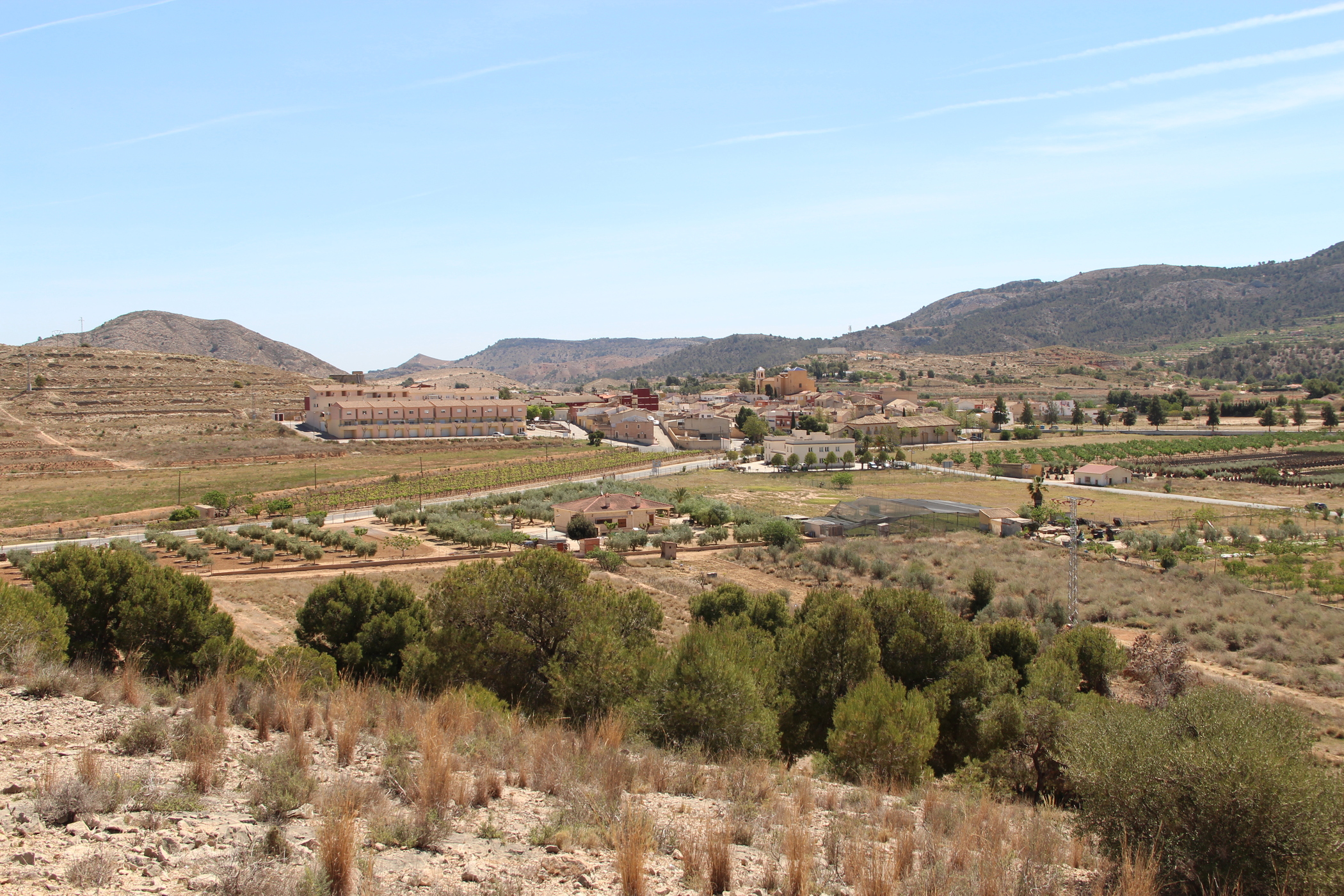
In interior Alicante, rain isn’t a steady resource—it’s a rare luxury. And if I’m going to build a life out here in the next two years, I need to know if rainwater alone can cut it, especially when it comes to the one thing I refuse to compromise on: a proper shower.
How Much Water Do You Actually Need?
Going off-grid doesn’t mean embracing medieval monk life.
Between showers, cooking, drinking, and the occasional laundry load, I’m looking at needing at least 150 litres (40 gallons) per day—on the conservative side. The real problem isn’t how much I use, though. It’s how much I can get.
Rainwater Collection in a Drought-Prone Climate
Alicante sees about 300 mm (12 inches) of rainfall per year, and it’s not exactly spread out nicely.
To grab as much as possible, I’d be looking at a 100-square-meter (1,076-square-foot) roof—best case scenario, that could capture up to 30,000 litres (7,900 gallons) a year. But that’s theory. In reality, some water gets lost—evaporation, debris, system inefficiencies.
Realistically, I’d be collecting around 20,000 litres (5,280 gallons) per year. Sounds like a lot until you break it down—just 55 litres (14.5 gallons) per day.
Doable? Maybe.
Comfortable? Not a chance.
Water Storage and Filtration: Preparing for the Dry Months
Storage is everything when rain isn’t guaranteed.
A 15,000-litre (3,960-gallon) storage tank would let me hold onto every drop that falls. But even with careful rationing, there will be months where I’d have to supplement with purchased water. No way around it.
Filtration? Non-negotiable.
Dust, bird droppings, whatever else lands on the roof—it all gets washed into the tank. To keep things drinkable, I’d need a first-flush diverter to discard the initial runoff, followed by sediment and carbon filters, and a UV purifier to kill bacteria.
End result? Safe water, but never enough of it.
Making It Work: Conservation and Adaptation
Living off rainwater means treating every litre like gold.
Low-flow showerheads, greywater collection for irrigation, minimal laundry cycles—every habit has to shift. Long showers? A rare indulgence. And in peak drought season? Even dishwashing has to be strategic.
Planning is key.
If rain’s in the forecast, that’s laundry day. That’s when tanks get topped up, every container gets filled. And in the driest months? Water deliveries become a necessary evil, but the goal is to keep those as rare as possible.
Is It Enough?
Short answer: just barely.
Rainwater harvesting in Spain is a constant balancing act.
During wetter months, it’s manageable. But droughts? That’s when the reality check hits. Going off-grid with rainwater alone is possible, but only if you plan for the worst, store more than you think you’ll need, and adapt to what nature gives you.
For anyone considering this life, here’s my advice: Expect less rain than you think. Store more water than you feel is necessary. And be ready for the occasional gut punch when reality doesn’t care about your plans.
Because out here, every drop counts.